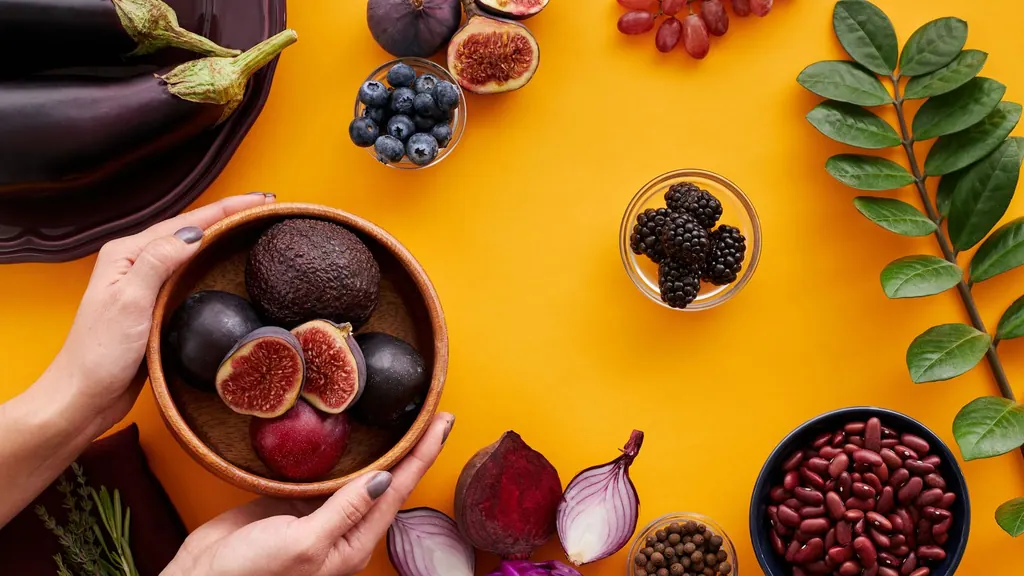
























The DASH diet (Dietary Approaches to Stop Hypertension) is an eating plan rich in vegetables, fruit, whole grains and low-fat dairy, with less salt, red meat and sugar. In the 1997 trial it lowered blood pressure by 11.4/5.5 mm Hg in people with hypertension, and a 2020 meta-analysis of 30 trials confirmed the effect.
What the DASH diet is
DASH stands for Dietary Approaches to Stop Hypertension. It was not designed as a weight-loss diet or a fashionable plan. It was built by researchers funded by the US National Heart, Lung, and Blood Institute (NHLBI) to answer one question: can a whole pattern of eating, rather than a single nutrient, lower blood pressure?
The answer was yes, and the plan has been tested repeatedly since. In practice DASH asks you to eat more of the foods that supply potassium, calcium, magnesium and fibre, and less of the foods that bring salt, saturated fat and added sugar. NHLBI's nutrient goals for the plan include 4,700 mg potassium, 1,250 mg calcium, 500 mg magnesium and 30 g fibre a day, with saturated fat at 6% of calories (NHLBI, Why the DASH Eating Plan Works).
Nothing is banned. That is one reason dietitians like it: it is a pattern you can live with, not a list of forbidden foods.
DASH servings by food group
NHLBI publishes daily and weekly servings for a 2,000-calorie day (NHLBI DASH eating plan). If your energy needs are lower or higher, the servings scale down or up; our calorie calculator gives you a starting estimate.
| Food group | Servings (2,000 kcal) | One serving is, for example |
|---|---|---|
| Grains, mostly whole grains | 6 to 8 a day | 1 slice bread; ½ cup cooked rice, pasta or cereal |
| Vegetables | 4 to 5 a day | 1 cup raw leafy vegetables; ½ cup cut-up raw or cooked vegetables |
| Fruit | 4 to 5 a day | 1 medium fruit; ¼ cup dried fruit |
| Fat-free or low-fat dairy | 2 to 3 a day | 1 cup milk or yoghurt; 1½ oz cheese |
| Lean meat, poultry and fish | 6 or fewer a day | 1 oz cooked meat, poultry or fish; 1 egg |
| Nuts, seeds and legumes | 4 to 5 a week | ⅓ cup (1½ oz) nuts; 2 tbsp peanut butter; ½ cup cooked beans or peas |
| Fats and oils | 2 to 3 a day | 1 tsp vegetable oil or soft margarine; 1 tbsp mayonnaise |
| Sweets and added sugars | 5 or fewer a week | 1 tbsp sugar, jam or jelly |
Serving sizes are from NHLBI's guide to following DASH. The US measures translate easily: 1 oz is about 28 g, so the meat limit of six 1-oz servings is roughly 170 g of cooked meat, poultry or fish across a whole day.
Canada's Heart & Stroke Foundation publishes a slightly different version, with 7 to 8 servings of grains and "2 servings or less" of lean meat, poultry and fish (Heart & Stroke). That is a difference in how a serving is counted, not in the diet itself. Its version is the same pattern described with larger portion units.
How much sodium: 2,300 or 1,500 mg?
DASH comes in two sodium levels. The standard plan caps sodium at 2,300 mg a day, and NHLBI says that "1,500 milligrams (mg) sodium lowers blood pressure even further than 2,300 mg sodium daily" (NHLBI).
To compare that with UK labels, which usually give salt rather than sodium, multiply sodium by 2.5. So 2,300 mg sodium is about 5.75 g salt, and 1,500 mg sodium is about 3.75 g salt. The NHS says adults "should have no more than 6g of salt a day (around 1 level teaspoon)" (NHS, salt in your diet), and the World Health Organization recommends less than 2,000 mg sodium, or 5 g salt, a day for adults (WHO).
Most people are far above all of these figures. WHO estimates the global average adult intake was 4,278 mg sodium a day in 2021, equivalent to about 11 g of salt, and that too much sodium was associated with an estimated 1.7 million deaths in 2023.
Because most salt comes from bread, processed meat, cheese, ready meals, sauces and takeaways rather than the salt shaker, cutting it is largely about what you buy. Our companion guide to the low-sodium diet goes through label reading in detail.
The evidence: what the trials showed
The original DASH trial, 1997
The first DASH trial fed 459 adults one of three diets for eight weeks, with sodium held at about the same level in all three (Appel and colleagues, NEJM 1997). Compared with a typical American control diet, the DASH "combination" diet lowered blood pressure by 5.5 mm Hg systolic and 3.0 mm Hg diastolic across all participants.
In the 133 participants with high blood pressure, the effect was twice as large: 11.4 mm Hg systolic and 5.5 mm Hg diastolic. For context, that is in the range people often see from a single blood pressure medicine, although the trial did not test DASH against drugs. NHLBI notes that the reductions "came fast – within 2 weeks of starting the plan" (NHLBI).
DASH-Sodium, 2001
The follow-up trial tested 412 participants on either DASH or a control diet at three sodium levels, about a month at each (Sacks and colleagues, NEJM 2001). Lowering sodium reduced blood pressure on both diets. The combination worked best: DASH at the lowest sodium level gave systolic pressure 7.1 mm Hg lower than the control diet at high sodium in people without hypertension, and 11.5 mm Hg lower in people with hypertension.
What the meta-analyses say
Single trials can mislead, so pooled evidence matters. A 2020 meta-analysis of 30 randomised trials with 5,545 participants found DASH lowered systolic blood pressure by 3.2 mm Hg and diastolic by 2.5 mm Hg, with moderate-certainty evidence, in adults with and without hypertension (Filippou and colleagues, Advances in Nutrition 2020). The effect was larger in trials where sodium intake was higher.
A 2019 umbrella review pulled together meta-analyses of both trials and cohort studies (Chiavaroli and colleagues, Nutrients 2019). In trials, DASH lowered systolic pressure by 5.2 mm Hg, with modest falls in LDL cholesterol, HbA1c and body weight. In cohort studies, people whose diets most resembled DASH had about a 20% lower risk of cardiovascular disease, coronary heart disease, stroke and diabetes. The certainty of the cardiovascular finding was rated low, because cohort studies can show association, not cause.
Blood pressure falls only while you keep eating this way. The trials show what happens during the diet, not a permanent cure. If you take blood pressure medicine, never stop or reduce it because your readings improve; talk to your GP or pharmacist first.
A sample DASH day
This day follows NHLBI's serving targets for a 2,000-calorie pattern. It is an illustration, not a prescription; your own plan should reflect your energy needs, medicines, culture and budget.
Breakfast
- Porridge made with 1 cup cooked oats (2 grain servings) and 1 cup low-fat milk (1 dairy)
- 1 sliced banana on top (1 fruit)
- 1 slice wholemeal toast with 1 tsp soft margarine (1 grain, 1 fat)
Mid-morning
- 1 apple (1 fruit)
Lunch
- Sandwich of 2 slices wholegrain bread (2 grains) with 2 oz roast chicken (2 meat) and salad leaves, tomato and cucumber (2 vegetables)
- 1 tbsp mayonnaise (1 fat)
- 1 cup plain low-fat yoghurt (1 dairy)
Afternoon
- ⅓ cup unsalted mixed nuts (1 of your 4 to 5 weekly nuts, seeds and legumes)
- ¼ cup dried apricots (1 fruit)
Dinner
- 3 oz baked salmon (3 meat) with lemon and herbs instead of salt
- 1 cup cooked brown rice (2 grains)
- 1 cup cooked broccoli and carrots (2 vegetables), tossed in 1 tsp olive oil (1 fat)
- 1 orange (1 fruit)
Day total: 7 grains, 4 vegetables, 4 fruit, 2 dairy, 5 meat, 3 fats and 1 nuts serving, all within the ranges in the table above.
To check how your current eating compares with this kind of pattern, try our free healthy eating check. If you are building up to 30 g of fibre, the fibre calculator helps you track it.
Are scrambled eggs on the DASH diet?
Yes. NHLBI counts one egg as one serving in the lean meat, poultry and fish group (NHLBI). Two scrambled eggs therefore use two of your six daily servings in that group. Scramble them with low-fat milk, skip the added salt, and serve them with wholemeal toast and grilled tomatoes or spinach to add grain and vegetable servings. The things to watch are the extras that often come with eggs: bacon, sausages, butter and salty sauces.
How strict does DASH need to be?
This is the most practical question, and the evidence gives a reassuring answer. You do not need to hit every serving every day to get a benefit.
- The meta-analyses pooled trials with very different levels of adherence and still found meaningful falls in blood pressure.
- Cohort studies compare people by how closely their diets resemble DASH, and the benefit shows up as a gradient rather than an all-or-nothing effect.
- The sodium trial showed that DASH and lower salt each work, and work best together. So if you can only change one thing this month, cutting salt or adding vegetables and fruit both count.
Think in weeks, not days. Aim for the servings on average, prioritise the swaps that matter most for you, and build from there.
Downsides and who should be careful
DASH is one of the safest eating patterns there is for most adults, but it is not right for everyone without adjustment.
Kidney disease and potassium
DASH is deliberately high in potassium and phosphorus. One analysis of the trial diets put DASH at about 4,700 mg potassium a day against 1,700 mg on the control diet, and noted that kidney guidelines "do not recommend routine adoption of the DASH diet by patients with moderate disease" (Tyson and colleagues, 2014). The US National Kidney Foundation explains that "in kidney disease, the body has trouble removing extra potassium from the blood" (National Kidney Foundation). Kidney Care UK advises that your healthcare team will tell you whether you need low-potassium choices (Kidney Care UK). If you have chronic kidney disease, do not start DASH without your renal team or dietitian.
Medicines and salt substitutes
Some blood pressure medicines raise potassium. NICE advises that potassium-based salt substitutes should not be used by older people, people with diabetes, pregnant women, people with kidney disease and people taking some antihypertensive drugs, such as ACE inhibitors and angiotensin II receptor blockers (NICE NG136). NICE also says not to offer calcium, magnesium or potassium supplements as a way to lower blood pressure, which is another reason to get these nutrients from food.
Lactose intolerance
DASH relies on dairy for calcium. If dairy upsets you, the NHS suggests smaller portions of lactose-containing foods or avoiding them, and advises not cutting foods out without the advice of a GP or dietitian (NHS). Calcium-fortified alternatives can fill the gap.
Practical drawbacks
Some people find DASH expensive, time-consuming or unfamiliar, especially because it is written in US cups and ounces. Generic diet sheets also ignore culture, budget and cooking skills. That is the strongest argument for an individual plan: a registered dietitian can translate the servings into the foods you already eat and the meals your family likes.
Generic diet sheet or a plan from a dietitian?
A printed DASH sheet is a good start, and many people do well with it. But the trials provided food, counselling or both, and real life is messier. An individual plan is especially worth having if you:
- take several blood pressure or heart medicines, or diuretics;
- have kidney disease, diabetes or heart failure;
- also need to lose weight, which our guide to working with a dietitian for weight loss covers;
- have digestive symptoms that make fruit, vegetables or pulses hard to tolerate, in which case a staged approach such as the low FODMAP diet may need to come first;
- are older, eat little, or have lost weight without trying.
In the UK, "dietitian" is a protected title, while "nutritionist" is not; our explainer on the difference between a dietitian and a nutritionist shows you what to check. The United Kingdom country guide explains how dietitians are regulated and where to find one. Alongside diet, the NHS also recommends at least 150 minutes of exercise a week and keeping alcohol to no more than 14 units a week to prevent high blood pressure (NHS).
If you want help turning DASH into a plan that fits your medicines and routine, you can book a session with a registered dietitian.
Book a session with a dietitian
How to start DASH this week
- Add before you subtract. Add one portion of vegetables to lunch and one to dinner, and a piece of fruit as a snack.
- Swap your grains. Choose wholemeal bread, brown rice, wholewheat pasta and oats.
- Cut the hidden salt. Compare labels for bread, cereal, cheese and sauces, and choose the lower-salt option. Cook with herbs, spices, garlic and lemon.
- Rethink protein. Plan fish twice a week, beans or lentils two or three times, and keep red and processed meat small.
- Choose low-fat dairy for milk and yoghurt, or a calcium-fortified alternative.
- Measure your blood pressure at the start and after two to four weeks, using the same monitor and time of day, and share the readings with your GP.
Frequently asked questions
What can you eat on the DASH diet?
You can eat everything, in different proportions. DASH centres on vegetables, fruit, whole grains, fat-free or low-fat dairy, fish, poultry, beans, nuts and seeds, with vegetable oils. It limits salt, red and processed meat, sugary drinks and sweets to small amounts. NHLBI's 2,000-calorie plan gives 4 to 5 servings each of vegetables and fruit a day.
Are scrambled eggs on the DASH diet?
Yes. NHLBI counts one egg as one serving of lean meat, poultry and fish, and the plan allows six or fewer servings from that group a day. Make scrambled eggs with low-fat milk and no added salt, and pair them with wholemeal toast and vegetables. Limit salty extras such as bacon, sausages and processed cheese.
What are the downsides of the DASH diet?
DASH can be costly and time-consuming, and the US serving sizes take some getting used to. Its high potassium and phosphorus content makes it unsuitable without supervision for people with chronic kidney disease, and some blood pressure medicines raise potassium too. People with lactose intolerance may need dairy alternatives. A dietitian can adapt it.
What is the DASH diet?
DASH means Dietary Approaches to Stop Hypertension. It is an eating pattern developed in US trials funded by NHLBI to lower blood pressure, emphasising vegetables, fruit, whole grains and low-fat dairy while limiting salt, saturated fat and sugar. It is now recommended widely for heart health and comes in 2,300 mg and 1,500 mg sodium versions.
How quickly does the DASH diet lower blood pressure?
In the original trials, blood pressure began to fall within about two weeks, according to NHLBI. The full effect in the 1997 trial was measured after eight weeks. The benefit lasts only while you keep eating this way, and the effect is larger if you also cut salt. Keep taking prescribed medicines unless your doctor changes them.
Is the DASH diet good for weight loss?
DASH was designed for blood pressure, not weight loss, but the 2019 umbrella review found a modest average weight reduction in trials of about 1.4 kg. Because it is high in fibre and low in added sugar, it can be adapted into a lower-calorie plan. If weight loss is your main goal, a dietitian can set realistic energy targets.
Is DASH suitable for people with kidney disease?
Not without specialist advice. DASH is high in potassium and phosphorus, and people with chronic kidney disease may struggle to clear extra potassium. Kidney guidelines do not recommend routine DASH for people with moderate kidney disease. Ask your renal team or a dietitian, who may adapt the plan to your blood results.