
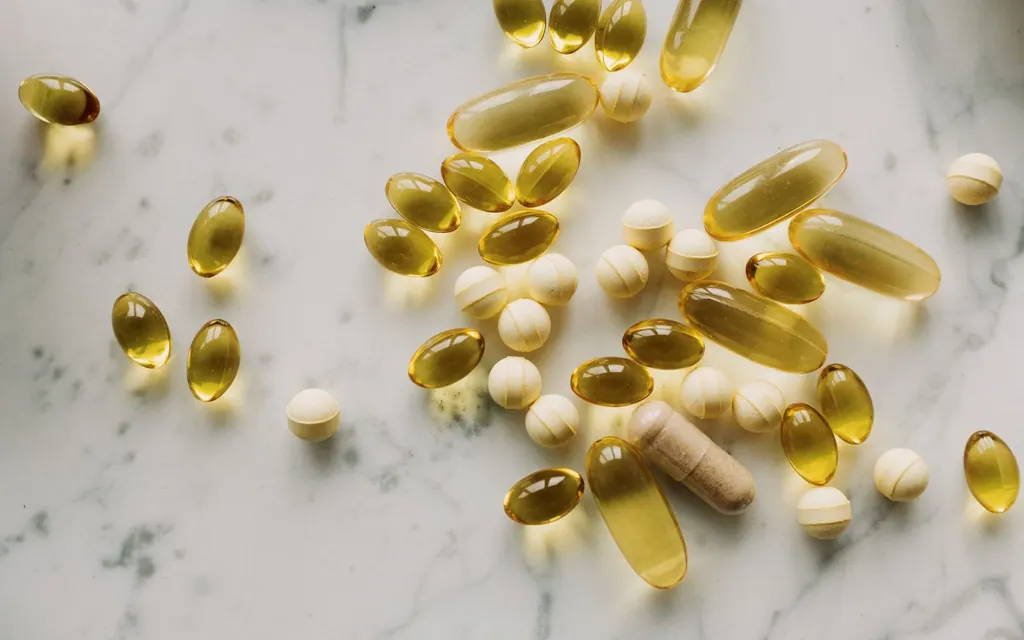
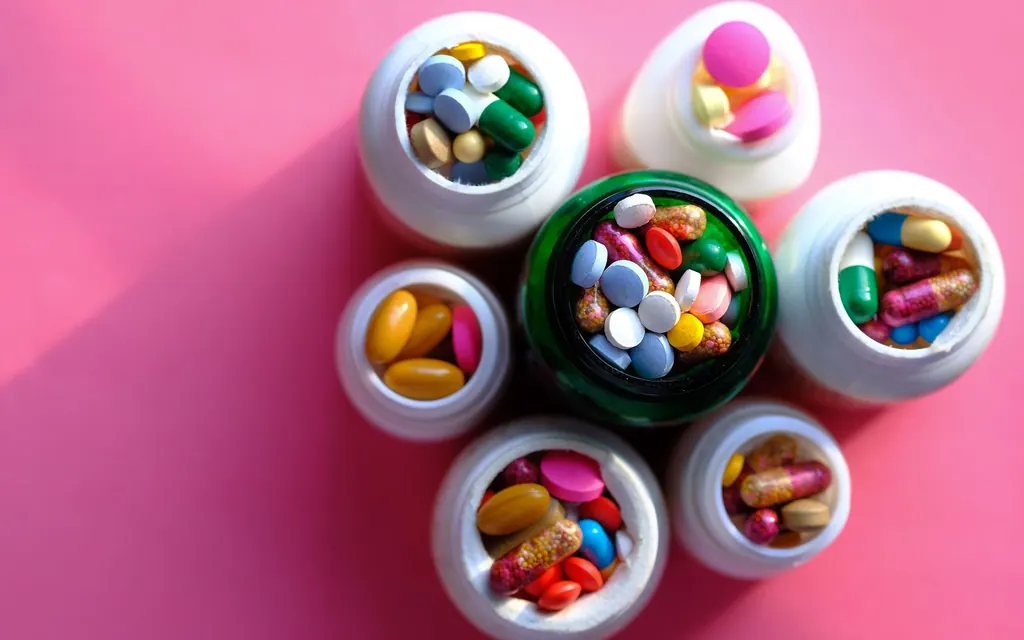
























Supplements are regulated as foods in the US and EU, as natural health products in Canada, as complementary medicines in Australia and as functional foods with approved or notified claims in Japan, Korea and China. The global market was worth US$209.5 billion in 2025. Labels, permitted ingredients and health claims differ by country.
A US$200 billion market used by most adults in many countries
Grand View Research values the global dietary supplements market at US$209.5 billion in 2025, with a forecast of US$431.7 billion by 2033[1]. Precedence Research puts 2025 at US$203.42 billion and forecasts US$430.39 billion by 2035[2]. In the United States, the Council for Responsible Nutrition's 2024 survey found that three-quarters of adults take dietary supplements[3].
National markets are large in their own right. France's market is €2.9 billion according to Synadiet[4]; Italy's is estimated at €4.5 billion a year[5]; Australia's complementary medicines supply chain is A$6.3 billion[6]; and South Korea's health functional food market reached KRW 5.45 trillion in 2024[7]. For more on growth, see the industry outlook.
Five regulatory models
Every country regulates supplements differently, but most fall into one of five models. Knowing which one applies tells you what a label may say, what evidence sits behind it and who checks it.
1. Food category with post-market control: the United States
Under the Dietary Supplement Health and Education Act of 1994 (DSHEA), supplements are a category of food. Most products do not need approval before sale. Manufacturers are responsible for safety and for current good manufacturing practice, must notify the FDA of new dietary ingredients, and may make structure/function claims with a disclaimer, but not claims to treat or cure disease. The FDA's dietary supplements pages explain the rules. Enforcement happens after products reach the market. See the United States hub.
2. Food supplements under harmonised rules: the EU and UK
The EU's Food Supplements Directive (2002/46/EC) sets common rules for vitamins and minerals and requires labelling such as recommended daily dose. Health claims must be authorised at EU level under the Nutrition and Health Claims Regulation. Member states run their own notification systems and set some ingredient limits, which is why the procedure differs in Germany, France, Italy, Spain and the Netherlands. The United Kingdom keeps a near-identical framework after Brexit, overseen by the Food Standards Agency, with its own GB claims register.
3. Licensed natural health products: Canada
Health Canada licenses supplements as natural health products. Each product needs a product licence and a natural product number (NPN) before sale, based on evidence of safety and efficacy for its claims, and sites must hold a site licence. This is stricter than the US model and gives Canadian labels more permitted health claims, backed by assessed evidence. See the Canada hub.
4. Complementary medicines: Australia and parts of Asia
In Australia, most supplements are listed medicines on the Australian Register of Therapeutic Goods, regulated by the Therapeutic Goods Administration. They must use permitted ingredients, be made under GMP and carry only permitted indications. Malaysia registers health supplements through its National Pharmaceutical Regulatory Agency, and South Africa regulates complementary medicines through SAHPRA.
5. Functional foods with approved or notified claims: Japan, Korea, China
Japan runs two systems: Foods for Specified Health Uses (FOSHU), approved product by product, and Foods with Function Claims, notified to the Consumer Affairs Agency with supporting evidence. The government tightened the notification system after the 2024 recall of red yeast rice (beni-koji) supplements. South Korea's Health Functional Foods Act requires functional ingredients to be listed or individually approved by the Ministry of Food and Drug Safety. In China, "health food" carries a blue-hat logo and is either registered or filed with the State Administration for Market Regulation, with a defined list of permitted functions.
India regulates health supplements and nutraceuticals under the Food Safety and Standards Authority of India's specific regulations, and Gulf countries such as Saudi Arabia and the UAE register supplements centrally before sale.

How dietitians judge a supplement
Dietitians are the professionals best trained to separate useful supplements from expensive placebos. A sound appraisal asks:
- Is there a need? Is there a documented deficiency, a higher requirement (pregnancy, older age, restrictive diets, malabsorption, medication interactions) or a clinical indication?
- What does the evidence say? Look for systematic reviews and randomised trials in people similar to your client, at the dose and form in the product.
- Is the dose right? Compare with recommended intakes and upper limits for the country.
- Is the form right? Bioavailability differs between forms, for example of magnesium, iron or vitamin D.
- Is it safe for this person? Check interactions with medicines, conditions such as kidney disease, and pregnancy.
- Is the product trustworthy? Prefer products with third-party testing, GMP manufacturing and clear labels. Be wary of proprietary blends that hide doses.
- Is the claim legal and honest? Claims that sound like disease treatment are a red flag in every market.
Supplements and GLP-1 medicines
The rise of GLP-1 obesity medicines has created a new supplement category: products aimed at protein intake, fibre, hydration, micronutrient adequacy and muscle preservation during rapid weight loss. Some are well designed; others make claims ahead of the evidence. For people on these medicines, food first, with targeted supplements where intake is clearly inadequate, remains the sound approach. Read our weight management guide.
Quality marks and testing
Independent testing helps buyers and professionals choose. Programmes such as NSF Certified for Sport, Informed Sport, USP Verified and others check that products contain what the label says and are free of contaminants or banned substances. Requirements vary by country, so check which schemes are recognised locally, especially for athletes subject to anti-doping rules.
For supplement companies
If you sell across borders:
- Map the regulatory model in each target country before you design the formula, not after.
- Keep a dossier for each product: specification, certificates of analysis, stability data, evidence for each claim and label versions by country.
- Work with distributors who handle local registration. Our supplier directory and the trade shows on the events calendar are good starting points.
- Consider a supplement company profile to reach practitioners and buyers in every country on the hub.
The most used categories and what professionals look for
- Vitamin D. Widely used, especially at higher latitudes. Useful where intake and sun exposure are low or deficiency is documented; doses should respect national upper limits.
- Omega-3 fatty acids. Fish and algal oils are popular for heart and brain health. Benefits are clearest for people who eat little oily fish and in specific clinical indications.
- Probiotics. Effects are strain-specific; a product's evidence should match its exact strains and dose.
- Protein powders. Convenient for athletes, older adults and people on GLP-1 medicines with low appetite; quality and contaminant testing matter.
- Magnesium. Different forms vary in absorption and gut tolerance; high doses can cause diarrhoea and are a concern in kidney disease.
- Iron. Important in documented deficiency, pregnancy and heavy menstrual losses; unnecessary iron can be harmful.
- Vitamin B12. Essential for people on vegan diets, many older adults, people after bariatric surgery and some long-term medication users.
- Creatine. One of the best-studied sports supplements; increasingly studied for older adults.
- Multivitamins. A safety net for restricted diets, but no substitute for food.
- Botanicals. Highly variable in quality and evidence; interactions with medicines are common.
Supplement and medicine interactions
Interactions are an under-recognised risk. St John's wort reduces the effect of many medicines, including oral contraceptives and some heart and transplant drugs. High-dose vitamin K affects warfarin. Calcium, iron and magnesium reduce absorption of some antibiotics and thyroid medicine. Some herbal products affect bleeding or blood glucose. Dietitians and pharmacists should ask about supplements at every review and record them alongside prescriptions.
Selling supplements in practice: getting the ethics right
Many dietitians recommend or sell supplements. Professional codes generally allow this, provided that:
- The recommendation is based on assessed need and evidence, not on income.
- Clients are told about any financial interest.
- Clients can buy the same or equivalent products elsewhere.
- Claims stay within the rules of the country.
Transparent practice protects clients and the profession's reputation, and it builds the long-term trust that keeps a practice busy.
Frequently asked questions
Are dietary supplements regulated?
Yes, everywhere covered on this site, but in different ways. The US treats them as foods with post-market control; the EU and UK as food supplements with authorised claims; Canada licenses them as natural health products; Australia lists most as complementary medicines; Japan, Korea and China approve or notify functional claims.
What percentage of people take supplements?
In the United States, the Council for Responsible Nutrition's 2024 survey found that three-quarters of adults take dietary supplements[3]. Comparable national surveys are not published in every country.
Do supplements need approval before they are sold?
It depends on the country. In the United States most do not. In Canada each product needs a licence, in Australia most must be listed with the TGA, and in China, Korea and Japan products making functional claims must be registered, approved or notified.
Can supplements replace a healthy diet?
No. Supplements fill specific gaps. A varied diet, adequate protein, fruit, vegetables, whole grains and healthy fats remain the foundation, and a registered dietitian can tell you whether a supplement adds anything for you.
How can I tell if a supplement is good quality?
Look for third-party testing, GMP manufacturing, clear doses for each ingredient, no disease-treatment claims and a manufacturer that publishes batch testing. Ask a registered dietitian or pharmacist if you are unsure.
Sources and citations
Every figure on this page was read on the publisher's own page. Where a country or body does not publish a figure we say so instead of estimating.
- Grand View Research, Dietary Supplements Market Size, Share & Trends Report (Jun 2026, updated Sep 2026)
- Precedence Research, Dietary Supplements Market Size (updated 29 Sep 2026)
- Council for Responsible Nutrition, CRN survey shows consistent supplement usage (29 Oct 2024)
- Synadiet, Compléments alimentaires : 75 ans d'engagement (2 Dec 2025)
- Integratori & Salute (Unione Italiana Food), Integratori & Salute market report (Jul 2024)
- Complementary Medicines Australia, Industry Snapshot 2025 (2025)
- Korea Health Supplements Association, Health functional food industry statistics (MFDS data) (2024 data)








