

























WHO recommends that adults eat at least 25 g of naturally occurring dietary fibre a day. In 2023 it also set its first targets for children: at least 15 g a day at 2 to 5 years, 21 g at 6 to 9 years and 25 g from 10 years[1].
How the fibre calculator works
Choose the age group and the calculator shows the WHO target from its 2023 guideline on carbohydrates[1]. If you know roughly how much fibre you eat now, from a food diary or an app, enter it to see how far you are from the target and a plan for closing the gap gently.
Where fibre comes from
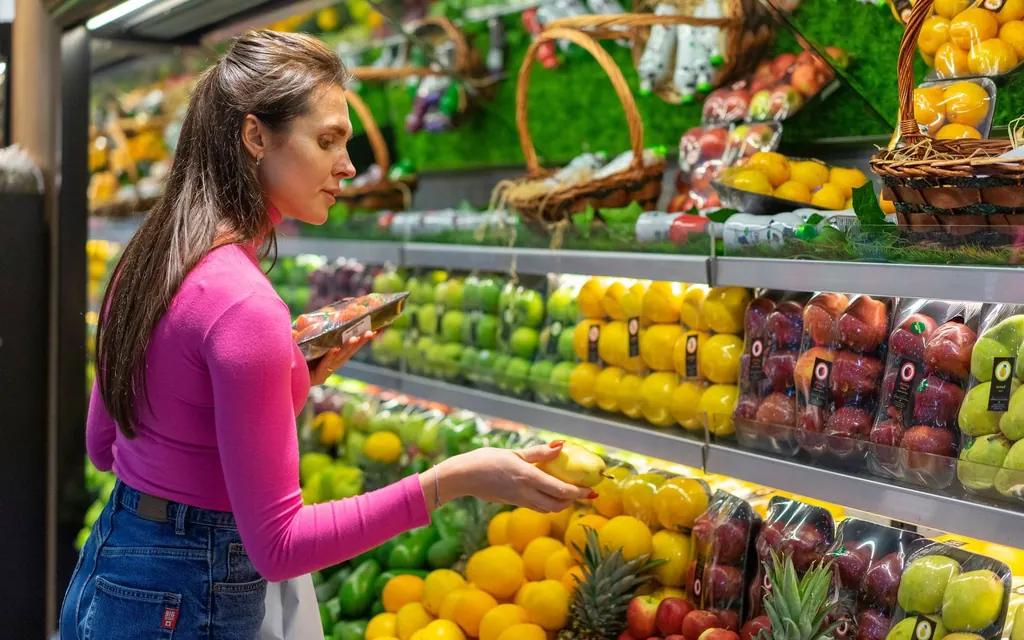
WHO advises that carbohydrates should come mainly from whole grains, vegetables, fruits and pulses[2], which are also the main sources of naturally occurring fibre. Easy swaps include:
- Whole-grain bread, oats, brown rice and whole-wheat pasta in place of white versions.
- Beans, lentils or chickpeas added to soups, curries, salads and sauces.
- Vegetables at every meal and fruit as a snack, with the skin on where you can.
- Nuts and seeds sprinkled on breakfast or salads.
Increase slowly and drink enough
A big jump in fibre can cause wind and bloating. Add a little more each week and drink enough fluid, because fibre works best with water. Use our water intake calculator to check your fluid target.
When to get advice
If you have irritable bowel syndrome, inflammatory bowel disease, diverticular disease or a narrowed bowel, the type and amount of fibre matter, and some people need less for a while. A dietitian can tailor a plan to your symptoms.
Book a video, phone or in-person session with a professional from our network. Your result can be attached so you do not start from scratch.
More free tools
- BMI calculator
- Calorie calculator
- Protein calculator
- Water intake calculator
- Waist-to-height ratio
- Which professional do I need?
- Healthy eating check
- Compare two countries
Frequently asked questions
How much fibre should I eat a day?
WHO recommends at least 25 g of naturally occurring dietary fibre a day for adults[1].
How much fibre do children need?
At least 15 g a day at 2 to 5 years, 21 g at 6 to 9 years and 25 g from 10 years, under WHO's 2023 guideline[1].
What are the best sources of fibre?
Whole grains, vegetables, fruits and pulses, the foods WHO says carbohydrates should mainly come from[2], plus nuts and seeds.
Can fibre supplements replace food?
WHO's target is for naturally occurring fibre in food[1]. Supplements can help in some conditions, but food brings vitamins, minerals and other plant compounds as well.
Does the calculator store my data?
No. The calculation runs in your browser.
Sources and citations
Every figure on this page was read on the publisher's own page. Where a country or body does not publish a figure we say so instead of estimating.
- World Health Organization, WHO updates guidelines on fats and carbohydrates (17 Jul 2023)
- World Health Organization, Healthy diet: fact sheet (26 Jan 2026)








