
The nutrition supply chain runs from ingredient makers to contract manufacturers and private-label producers, then through distributors and wholesalers to pharmacies, health stores, clinics and online retailers. This page explains each link, how to choose partners, and lists notable companies headquartered in 24 countries.
How the nutrition supply chain fits together
A bottle of magnesium on a pharmacy shelf in Madrid may have passed through five companies in four countries. Understanding each link helps brands choose partners, helps dietitians judge quality, and helps buyers ask the right questions.
- Ingredient suppliers produce or refine vitamins, minerals, amino acids, proteins, probiotics, botanical extracts, omega-3 oils and specialty compounds. Many are global chemical and food groups; others are specialists in a single ingredient category.
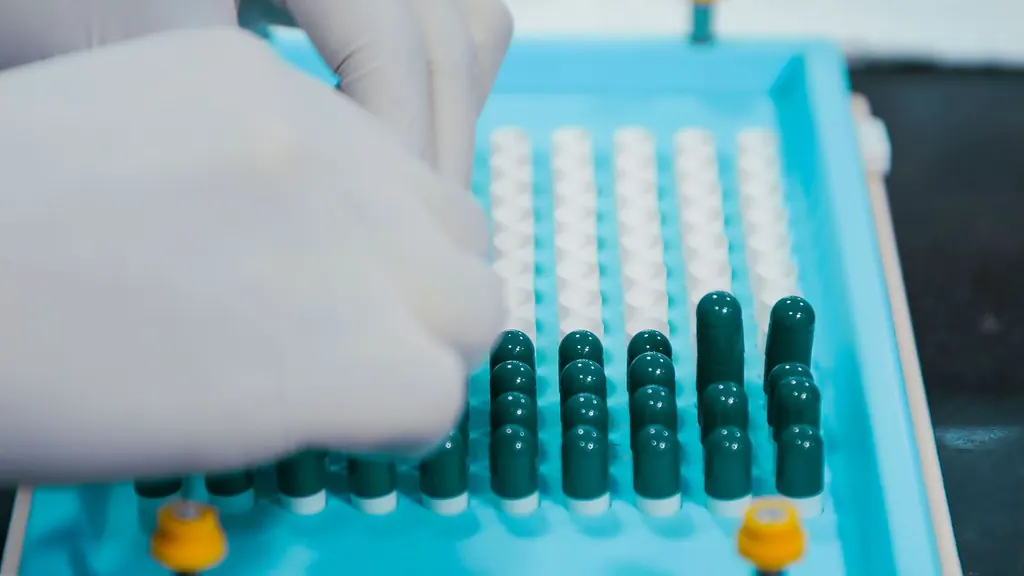
- Contract manufacturers turn ingredients into finished products: capsules, tablets, softgels, gummies, powders, liquids and ready-to-drink formats. They work to a brand's formula and specification, under good manufacturing practice (GMP).
- Private-label manufacturers offer ready-made formulas that a brand can sell under its own name, often with low minimum orders and short lead times.
- Brands own the product, the label and the marketing. Some manufacture in-house; most outsource.
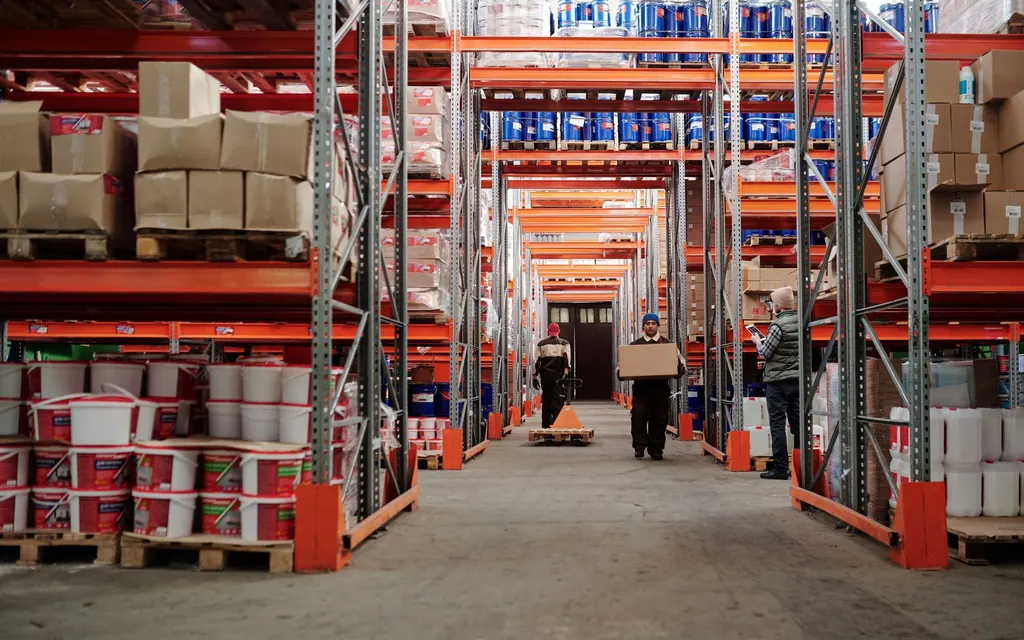
- Distributors and wholesalers import, warehouse and supply products to retailers, pharmacies, clinics, gyms and practitioners, and often handle local registration.
- Retailers sell to the end user: pharmacy chains, health-food stores, supermarkets, specialist sports-nutrition shops, practitioner dispensaries and online marketplaces.
Clinical nutrition follows a similar chain but with more regulation and a stronger role for hospitals, care homes and home-care providers, which buy through tenders and formularies.
How to choose a contract manufacturer
Choosing the wrong manufacturer is the most expensive mistake a nutrition brand can make. Use this checklist before you sign:
- Certification. Ask for current GMP certificates relevant to your market, such as US FDA dietary supplement current good manufacturing practice compliance, NSF/ANSI 455-2 or equivalent third-party audits, TGA licensing for Australian listed medicines, or ISO 22000 / FSSC 22000 for food-grade facilities.
- Testing. Confirm identity, purity, potency and contaminant testing for every raw material and finished batch, and who pays for it. Ask for sample certificates of analysis.
- Format capability. Not every plant can make gummies, softgels or effervescent tablets. Check equipment, capacity and minimum order quantities for your format.
- Regulatory support. Good manufacturers help with label review, ingredient limits and notifications for each target country. The Global Hub shows which agency regulates supplements in each country.
- Stability data. Ask how shelf life is established and whether real-time stability studies are run.
- Traceability and recalls. Make sure every batch can be traced back to raw-material lots, and that a written recall procedure exists.
- References. Speak to two or three current clients of similar size.
Dietitians are valuable here. A registered dietitian or nutrition scientist on the brand side can review formulas against the evidence, set realistic doses and check label claims before regulators or competitors do.
Private label: fast, but read the formula
Private label lets a new brand, a clinic or a practitioner launch a product line in weeks rather than months. The trade-off is less control over the formula and less differentiation. Before choosing a private-label product, check the form and dose of each ingredient against published research, the excipients and allergens, and the claims the manufacturer suggests for the label. Claims must match the rules in each country where you sell; what is allowed in the United States under the Dietary Supplement Health and Education Act may not be allowed in the EU, Canada or Australia. Our dietary supplements guide explains the main frameworks.
Ingredient suppliers: where quality starts
Most finished products are only as good as their raw materials. Global ingredient leaders include dsm-firmenich for vitamins and specialty nutrients, Kerry Group and Glanbia for proteins and nutrition solutions, Roquette for plant-based ingredients, FrieslandCampina Ingredients for dairy nutrition, Ajinomoto for amino acids and CJ CheilJedang for bio-ingredients. China and India are major producers of vitamins, amino acids and botanical extracts, which is why supply-chain disruptions there ripple around the world.
Buyers should look for suppliers who provide full specifications, certificates of analysis, allergen and GMO status, country of origin, and documentation for any claims about sustainability or sourcing.
Distributors and wholesalers: your route into a new country
Entering a new country almost always means working with a local distributor. A good distributor brings registration know-how, warehousing, relationships with pharmacy chains and clinics, and a sales team. Questions to ask:
- Which regulatory filings will they handle, and in whose name will the product be registered?
- Which channels do they cover: pharmacy, health store, practitioner, gym, online, hospital tenders?
- What exclusivity do they want, for how long, and what are the minimum performance targets?
- How do they handle pricing, promotions and returns?
Trade shows are the most efficient place to meet distributors. SupplySide Global in Las Vegas, Vitafoods Europe in Barcelona, Vitafoods Asia and Gulfood in Dubai each bring thousands of buyers and suppliers together. See the dates on our events calendar.

Retailers and pharmacies: who sells to the end user
Retail structures differ widely by country. Pharmacy chains dominate in much of Europe, the Gulf, Latin America and Asia; health-food chains and supermarkets are strong in the UK, Australia and North America; drugstores such as dm and Rossmann lead in Germany; and online marketplaces are growing everywhere. Practitioner channels, where products are sold through dietitians, naturopaths, doctors and clinics, are a fast-growing premium segment in Australia, the UK, Canada and the United States.
For dietitians, retailers are also employers: pharmacy chains and health-food retailers hire nutrition professionals for customer advice, staff training, product selection and content.
Notable companies in each country
The table below lists notable supplement, nutrition, ingredient and retail companies headquartered in each of the 24 countries on the Global Hub. It is an information list for orientation, not an endorsement or a ranking. Each country page adds context on the local market and the rules that apply.
 United States country profile →
 Canada country profile →
 United Kingdom country profile →
 Ireland country profile →
 Australia country profile →
 New Zealand country profile →
 India country profile →
 Singapore country profile →
 Malaysia country profile →
 Philippines country profile →
 Japan country profile →
 South Korea country profile →
 China country profile →
 United Arab Emirates country profile →
 Saudi Arabia country profile →
 South Africa country profile →
 Germany country profile →
 France country profile →
 Italy country profile →
 Spain country profile →
 Netherlands country profile →
 Switzerland country profile →
 Brazil country profile →
 Mexico country profile →
- Retail & pharmacy
- Medical & clinical
- Manufacturing & ingredients
- Direct selling
- Supplement & nutrition brand
Getting your company listed
Supplement brands, contract manufacturers, private-label makers, ingredient suppliers, distributors, wholesalers and retailers can create a company profile on our member directory. Profiles appear in search, can carry products, articles, events and job posts, and receive enquiries from practitioners and buyers. Choose a level on the membership page or go straight to the supplement company sign-up.
Frequently asked questions
What is the difference between a contract manufacturer and a private-label manufacturer?
A contract manufacturer makes your product to your own formula and specification. A private-label manufacturer sells you a ready-made formula that you put your brand on. Contract manufacturing gives more control and differentiation; private label is faster and cheaper to start.
What certifications should a supplement manufacturer have?
It depends on the market. Look for GMP compliance recognised in your target countries, such as US dietary supplement cGMP, third-party audits such as NSF/ANSI 455-2, TGA licensing for Australian listed medicines, or ISO 22000 / FSSC 22000 for food-grade production, plus full batch testing and certificates of analysis.
How do I find a distributor in another country?
Start with the country's pharmacy and health-store chains, the national supplement trade association and the big trade shows such as SupplySide Global, Vitafoods Europe, Vitafoods Asia and Gulfood. Check that the distributor can handle local registration and covers the channels you need.
Can dietitians work for supplement companies?
Yes. Manufacturers, brands, ingredient suppliers and retailers employ dietitians in product development, regulatory affairs, scientific and medical affairs, education, quality and sales. These roles reward evidence-appraisal and communication skills.
Is this supplier list an endorsement?
No. It lists notable companies headquartered in each country for orientation only. Always run your own due diligence on quality, certification and compliance.








