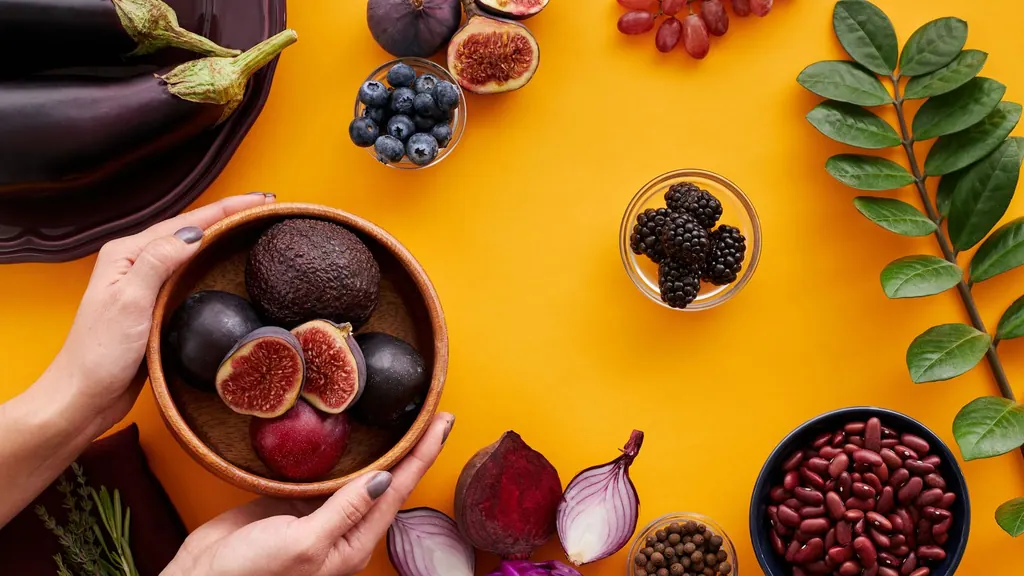
























The diet that reverses fatty liver (now called MASLD, formerly NAFLD) is one that produces sustained weight loss, in a Mediterranean-style pattern with few ultra-processed foods and no sugary drinks. The 2024 European guideline sets targets of at least 5% weight loss to cut liver fat, 7% to 10% for inflammation and 10% or more for fibrosis.
Fatty liver has a new name: MASLD
If your scan or blood test report says "fatty liver", "NAFLD" or "MASLD", it is describing the same condition. In 2023 international liver societies agreed new names, and the joint 2024 guideline from the European Associations for the Study of the Liver, Diabetes and Obesity (EASL, EASD and EASO) defines metabolic dysfunction-associated steatotic liver disease (MASLD), "previously termed non-alcoholic fatty liver disease (NAFLD)", as fat in the liver plus at least one cardiometabolic risk factor, without harmful alcohol intake (EASL-EASD-EASO guideline, Diabetologia, 2024). The inflammatory form, once called NASH, is now MASH (metabolic dysfunction-associated steatohepatitis).
The UK has followed. In July 2026 NICE renamed its guideline NG49, first published in July 2016, to reflect that NAFLD "is now called" MASLD and NASH is now MASH (NICE NG49, update information).
The renaming matters for diet because it puts the cause in plain view. MASLD is a metabolic disease, tied to excess weight, type 2 diabetes, high blood pressure and abnormal blood fats. The EASL guideline links it with higher risks of cardiovascular disease, chronic kidney disease, cancers and liver failure. Diet is therefore treating the whole metabolic picture, not only the liver.
It is also common. When the US Food and Drug Administration approved the first GLP-1 medicine for MASH in August 2025, it noted that about 6% of US adults, 14.9 million people, have MASH, the more serious inflammatory stage (FDA, August 2025).
What actually reverses it: weight loss, measured in percentages
Fat in the liver responds to weight loss more reliably than to any single food. The EASL-EASD-EASO guideline gives a strong recommendation, with the highest level of evidence, for weight loss through diet and behaviour change, and sets graded targets for people with overweight:
| Sustained weight loss | What it improves | Example for a 95 kg person |
|---|---|---|
| At least 5% | Liver fat | About 5 kg |
| 7% to 10% | Liver inflammation (steatohepatitis) | About 7 to 9.5 kg |
| 10% or more | Liver fibrosis (scarring) | About 9.5 kg or more |
Targets are from the 2024 EASL-EASD-EASO guideline. The US National Institute of Diabetes and Digestive and Kidney Diseases gives similar figures, saying that losing "at least 3% to 5%" of body weight can reduce liver fat and that "up to 7% to 10%" may be needed to reduce inflammation and fibrosis (NIDDK, treatment for NAFLD and NASH).
Two points in that guidance are easy to miss. First, the word is sustained: liver fat comes back if weight returns. Second, the NIDDK warns that "rapid weight loss and malnutrition can make liver disease worse", which is one reason crash diets and very long fasts are a poor fit. A steady loss you can keep is better than a dramatic one you cannot. Our BMI calculator gives a starting point, and the waist-to-height ratio checker is a useful measure of the abdominal fat most closely linked to fatty liver.
What if you are not overweight?
MASLD also occurs in people with a normal BMI, often with high blood sugar or blood fats. The EASL guideline still recommends diet and exercise in normal-weight adults to reduce liver fat, but states honestly that there is currently no evidence on their effect on liver scarring or outcomes in this group. For these people the focus is diet quality, alcohol, activity and metabolic risk factors rather than weight loss alone.
The food pattern: Mediterranean-style, minimally processed
The guideline's diet recommendation is short and specific: improve diet quality "similar to the Mediterranean dietary pattern", limit ultra-processed food "rich in sugars and saturated fat", and avoid sugar-sweetened beverages. That carries a strong recommendation, but the authors also note that there is little evidence yet that diet quality alone improves hard liver outcomes, such as cirrhosis or liver death, independent of weight.
In practice, the EASL lifestyle algorithm lists examples of unprocessed or minimally processed foods to build on: vegetables, fruit (not juice), low-fat dairy, nuts, olive oil, legumes, and unprocessed fish and poultry. Our guide to the Mediterranean diet explains the pattern in detail. You can see how close your current eating is with our free healthy eating check.
What to eat more of
- Vegetables and pulses at most meals: beans, lentils, chickpeas, leafy greens, peppers, onions, tomatoes.
- Whole fruit rather than juice.
- Whole grains and other low-glycaemic carbohydrates: oats, barley, wholegrain bread, brown rice. The NIDDK suggests more low-glycaemic-index foods such as most fruits, vegetables and whole grains in place of white bread, white rice and potatoes (NIDDK, eating, diet and nutrition for NAFLD).
- Unsaturated fats: olive oil, rapeseed oil, nuts, seeds and oily fish, replacing butter, lard, fatty processed meat and pastry.
- Fish and poultry as the main animal proteins, with lean red meat in moderation.
What not to eat with fatty liver
This is the most searched question, and the evidence points to a short list rather than a long one of banned foods.
- Sugary drinks. Avoiding sugar-sweetened beverages is an explicit EASL recommendation. The NIDDK singles out fructose, found in soft drinks, sports drinks, sweetened tea and juices, and notes that table sugar breaks down into glucose and fructose, so it is a major source too.
- Ultra-processed foods high in sugar and saturated fat: biscuits, cakes, pastries, sweets, sugary cereals, fast food and processed meat products.
- Alcohol. See the next section.
- Large portions of refined starch, such as white bread, white rice and pastries, especially when they replace vegetables and whole grains.
- Saturated and trans fats in excess, which add energy and raise cardiovascular risk, a major concern because EASL links MASLD with cardiovascular events.
Nothing on that list needs to disappear forever for most people with early disease. The goal is that these foods become occasional rather than daily.
Is venison good for fatty liver?
Venison is a lean red meat, low in saturated fat compared with beef mince, lamb or sausages, so as an unprocessed meat it fits better than processed red meat. There is no evidence that venison, or any other single meat, treats fatty liver. The pattern matters more: if you eat red meat, choose lean, unprocessed cuts in moderate portions, cook them without lots of added fat, and put fish, poultry and pulses at the centre of most meals.
Alcohol: why "non-alcoholic" no longer means "a little is fine"
The old name, non-alcoholic fatty liver disease, led many people to assume moderate drinking was irrelevant. The new framework is clearer. EASL states that alcohol and metabolic risk factors damage the liver independently "and can be synergistic", and that emerging evidence "does not support a protective effect of light to moderate amounts of alcohol", particularly in people with cardiometabolic risk factors. Its recommendations are:
- record the amount, pattern and history of drinking in everyone with steatotic liver disease;
- discourage alcohol, particularly in people with moderate or high intake;
- stop all alcohol "completely and permanently" in people with advanced fibrosis or cirrhosis.
There is also a separate category, MetALD, for people with metabolic fatty liver who also drink moderate amounts. If you have been told you have fatty liver, the safest assumption is that less alcohol is better and none is best.
If you drink heavily every day, do not stop suddenly without medical advice. Alcohol withdrawal can be dangerous. Talk to your GP or a local alcohol service about a safe plan, and mention any liver results you have been given.
Coffee, supplements and "liver detox" products
Coffee
Coffee is the one drink with consistently positive associations. EASL notes that coffee consumption "has been associated with improvements in liver damage and reduced liver-related clinical outcomes in observational studies", but grades that as low-level evidence. Observational studies cannot prove cause, so coffee is not a treatment. If you already enjoy it without sugar syrups or cream, there is no liver reason to stop.
Supplements and nutraceuticals
The EASL guideline says nutraceuticals, a category that covers food supplements, herbal products and gut-microbiome products, "cannot be recommended" for MASLD, because there is insufficient evidence of either their effectiveness or their safety. "Detox" teas, milk thistle blends and liver-cleanse kits fall in that category, and some herbal products can themselves injure the liver.
Vitamin E is a point where guidelines differ. NICE NG49 still says to consider vitamin E or pioglitazone, in secondary or tertiary care only, for adults with advanced liver fibrosis (NICE NG49, pharmacological treatment). The 2024 EASL guideline says vitamin E "cannot be recommended" as a MASH-targeted therapy, because large phase 3 trials have not shown histological benefit and long-term risks are possible. Either way, it is a specialist prescription, not something to buy and take on your own.
Are there medications for fatty liver?
Yes, for some people, and this is the area changing fastest.
- Resmetirom. EASL recommends considering this oral medicine, where approved locally, for adults with non-cirrhotic MASH and significant fibrosis (stage 2 or above).
- Semaglutide. In a phase 3 trial of 800 people with MASH and moderate or advanced fibrosis, weekly semaglutide resolved steatohepatitis in 62.9% compared with 34.3% on placebo after 72 weeks, and improved fibrosis in 36.8% compared with 22.4%. Mean weight loss was 10.5% against 2.0% on placebo (Sanyal and colleagues, New England Journal of Medicine, 2025). The FDA approved semaglutide for adults with MASH and moderate-to-advanced fibrosis in August 2025.
- Other diabetes and obesity medicines. EASL says GLP-1 medicines, SGLT2 inhibitors and metformin are safe in MASLD and should be used for their own indications, such as type 2 diabetes and obesity, because they improve cardiometabolic outcomes.
Note how close the semaglutide weight loss, about 10%, is to the 10% target for fibrosis in the diet guidance. The medicines and the diet are pulling the same lever. That is also why diet still matters on a GLP-1: appetite falls sharply, and eating too little protein risks muscle loss. Our guide to GLP-1 weight loss covers the medicines, and our article on sarcopenia explains how to protect muscle while losing weight. EASL itself recommends a high-protein diet and a late-evening snack for people with cirrhosis and sarcopenia.
Exercise counts, even before the scales move
EASL recommends physical activity to reduce liver fat, preferably more than 150 minutes a week of moderate activity or 75 minutes of vigorous activity, tailored to what you can do. The NIDDK adds that physical activity alone, even without weight loss, is beneficial. Brisk walking, cycling, swimming and resistance training all count; the best type is the one you will keep doing.
How strict does the diet need to be?
This is the question people ask most in clinic, and the evidence gives a practical answer: strict enough to achieve and hold the weight loss your stage of disease needs, and no stricter.
- Simple steatosis without fibrosis: a 5% loss, sugary drinks gone, alcohol reduced and a Mediterranean-style pattern most days is a realistic, evidence-based goal. Occasional treats do not undo it.
- MASH or significant fibrosis: the targets rise to 7% to 10% and above, alcohol should be minimal or none, and your hepatology team may add medication. Consistency matters more here.
- Cirrhosis: the rules change. Weight loss is only "moderate" and supervised, protein needs rise, and alcohol must stop completely. Restrictive diets can cause harm by speeding up muscle loss.
There is no evidence that you need to cut out whole food groups, follow a "liver cleanse", or avoid fruit. Many people do better with a few firm rules (no sugary drinks, no alcohol on weekdays, vegetables at lunch and dinner) than with a long list of forbidden foods.
Generic diet sheet or an individual plan?
A one-page "fatty liver food list" is a reasonable start for someone with simple steatosis and no other conditions. It falls short when fatty liver sits alongside type 2 diabetes, heart failure, kidney disease, inflammatory bowel disease, a history of disordered eating or cirrhosis, because the advice for each can pull in different directions.
- With heart failure, salt and fluid matter as much as calories; see our heart failure diet guide.
- With Crohn's disease, high-fibre advice may need adapting during flares; see our Crohn's disease diet article.
- With restrictive eating or ARFID, weight-loss targets can do harm; our ARFID guide explains why.
- With long-term metformin, B12 status is worth checking; our guide to B12 deficiency covers it.
A registered dietitian can set a weight target that matches your fibrosis stage, design a pattern around your culture, budget and cooking, and coordinate with your GP or hepatologist if medicines are added. Our guide to working with a dietitian for weight loss explains what that looks like, and the United Kingdom country guide shows how to check a dietitian's registration. If you would like a personal plan, you can book a session below.
Book a session with a dietitian
A sample day for fatty liver
This is an illustration for an adult with simple steatosis aiming to lose weight gradually. It is not a prescription.
- Breakfast: porridge made with oats and low-fat milk, topped with berries and a spoon of chopped walnuts; black coffee or tea.
- Lunch: lentil, tomato and spinach soup with a slice of wholegrain bread, and an apple.
- Snack: plain yoghurt or a small handful of unsalted nuts.
- Dinner: baked salmon or chicken with roasted peppers, courgettes and onions in olive oil, and a portion of bulgur wheat or new potatoes.
- Drinks: water, sparkling water, tea or coffee; no sugary drinks or alcohol.
Can I get a PDF food list?
We do not publish a downloadable sheet, because a generic list cannot account for your stage of disease, weight target, medicines and other conditions. The "eat more" and "limit" sections above summarise what the guidelines support, and you can print this page. Your liver clinic or dietitian may also provide a printed plan written for you.
The practical takeaway
- Aim for steady, sustained weight loss: at least 5% for liver fat, 7% to 10% for inflammation and 10% or more for fibrosis.
- Eat in a Mediterranean style, cut ultra-processed foods, and drop sugary drinks.
- Treat alcohol as harmful, not neutral; stop completely if you have advanced fibrosis or cirrhosis.
- Move for 150 minutes a week; it helps even before weight changes.
- Skip liver supplements; ask your specialist whether medicines such as resmetirom or semaglutide are appropriate.
- Get an individual plan if you have diabetes, heart, kidney or bowel disease, or cirrhosis.
Frequently asked questions
What to not eat during fatty liver?
Avoid sugar-sweetened drinks, including soft drinks, sweetened tea and juice, and limit ultra-processed foods high in sugar and saturated fat, such as biscuits, pastries, sweets, fast food and processed meat. Keep alcohol to a minimum, and stop it completely if you have advanced fibrosis or cirrhosis. Most other foods can fit into a Mediterranean-style pattern in sensible portions.
Can you provide a PDF with a food list for people with fatty liver disease?
We do not provide a downloadable PDF, because the right list depends on your fibrosis stage, weight target, medicines and other conditions. This page's eat-more and limit lists summarise the 2024 European guideline and US NIDDK advice, and it can be printed. A registered dietitian can give you a written plan tailored to you.
Are there medications for fatty liver?
Yes, for some people. Resmetirom is recommended in Europe, where approved, for non-cirrhotic MASH with significant fibrosis. Semaglutide was approved by the US FDA in August 2025 for MASH with moderate-to-advanced fibrosis after a trial showed steatohepatitis resolved in 62.9% of patients versus 34.3% on placebo. Medicines are used alongside diet and exercise, not instead of them.
Is venison good for fatty liver?
Venison is a lean, unprocessed red meat that is lower in saturated fat than many other red meats, so it can fit a fatty liver diet in moderate portions. No single meat treats fatty liver. Base most meals on fish, poultry, pulses and vegetables, choose lean unprocessed cuts if you eat red meat, and avoid processed meats.
Can fatty liver be reversed?
Often, yes, especially at early stages. Liver fat falls with a sustained weight loss of at least 5%, and losses of 10% or more can improve scarring, according to the 2024 European guideline. Cutting sugary drinks and alcohol and being active also help. Cirrhosis is less reversible and needs specialist care.
Is coffee good for fatty liver?
Observational studies link coffee drinking with less liver damage and fewer liver-related complications, and the 2024 European guideline acknowledges this. Because the evidence is observational, coffee is not a treatment. If you already drink it, there is no liver reason to stop, but avoid sugary syrups and cream, which add the sugar and fat you are trying to cut.
What is the difference between NAFLD and MASLD?
They describe the same condition. MASLD, metabolic dysfunction-associated steatotic liver disease, replaced the term NAFLD in 2023 international nomenclature, and NICE updated its UK guideline to use MASLD in July 2026. The new name requires at least one cardiometabolic risk factor, such as excess weight or type 2 diabetes, and highlights the metabolic cause.