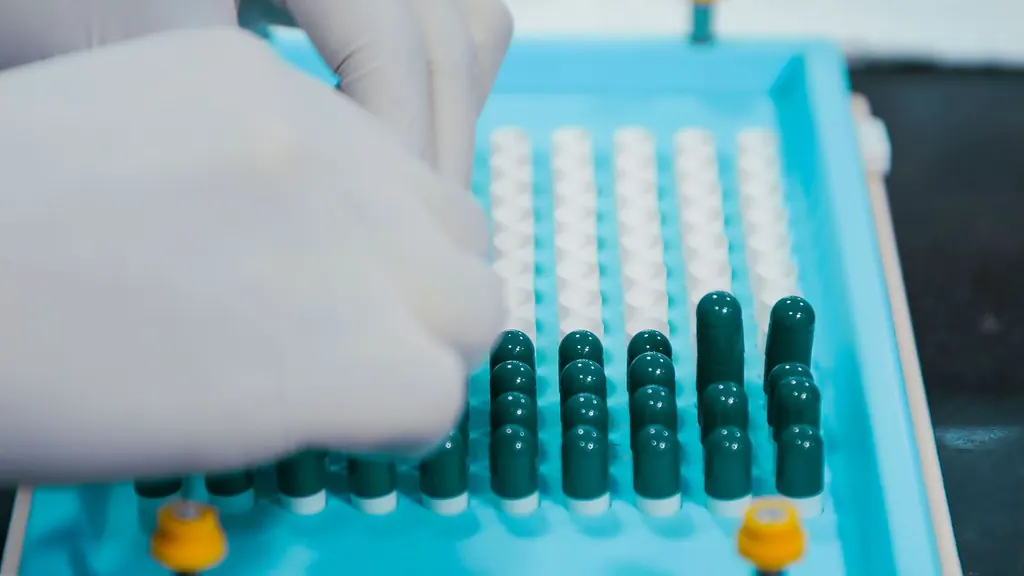
























Parenteral nutrition (PN) delivers nutrients directly into a vein when the gut cannot be used safely or enough. Total parenteral nutrition (TPN) meets all needs this way; supplemental PN tops up eating or tube feeding. NICE's guideline CG32 (2006, updated 2017) says it should be started cautiously, closely monitored and stopped once oral or enteral feeding is adequate.
What parenteral nutrition is
Parenteral means "outside the gut". Instead of food being digested and absorbed through the intestine, a sterile solution of glucose, amino acids, fats, electrolytes, vitamins and trace elements is infused into the bloodstream, usually through a catheter whose tip sits in a large central vein.
The American Society for Parenteral and Enteral Nutrition (ASPEN) calls PN "one of the most notable achievements of modern medicine" and "a life-sustaining option when intestinal failure prevents adequate oral or enteral nutrition", while warning that it is expensive and that "serious adverse events can occur" (Worthington and colleagues, JPEN, 2017). Both halves of that sentence explain why PN is managed by specialist teams and why dietitians are central to it.
This guide is written for patients and families who want to understand what is happening, and for dietitians, students and other professionals. PN is always prescribed, prepared and monitored by a clinical team. Nothing here is a prescription.
What is the difference between parenteral nutrition and TPN?
TPN is one type of PN. The European Society for Clinical Nutrition and Metabolism (ESPEN) defines total (or exclusive) PN as PN that meets a patient's nutritional needs in their entirety, and supplemental (partial or complementary) PN as PN given while nutrition is also provided by mouth or tube. When PN is given outside hospital, it is called home parenteral nutrition (HPN) (Pironi and colleagues, ESPEN practical guideline on home parenteral nutrition, Clinical Nutrition, 2023).
| Type of nutrition support | Route | When it is used | Typical setting |
|---|---|---|---|
| Oral nutrition support | Food, fortified food, oral supplements | The person can eat and swallow safely but not enough | Hospital, care home, home |
| Enteral tube feeding | Tube into the stomach or small intestine | The gut works but eating is unsafe or insufficient | Hospital and home |
| Supplemental (partial) PN | Vein, alongside oral or tube feeding | The gut works partly but cannot absorb or tolerate enough | Hospital and home |
| Total parenteral nutrition (TPN) | Vein, meeting all needs | The gut cannot be used: obstruction, perforation, severe intestinal failure | Hospital; long term at home |
The table reflects the categories used in NICE CG32 and the ESPEN home PN guideline.
When is PN needed?
The National Institute for Health and Care Excellence (NICE) says PN should be considered in people who are malnourished or at risk of malnutrition and who have either "inadequate or unsafe oral and/or enteral nutritional intake" or "a non-functional, inaccessible or perforated (leaking) gastrointestinal tract" (NICE CG32).
In practice, the common reasons include:
- intestinal failure, for example short bowel syndrome after extensive surgery, severe Crohn's disease, or radiation damage;
- bowel obstruction or prolonged ileus after surgery;
- high-output fistulas or a perforated bowel;
- severe malabsorption or intolerance where tube feeding has failed;
- critical illness when enteral feeding cannot meet needs or is contraindicated;
- some cancers, during treatment or, after careful discussion, as part of palliative care.
ESPEN describes four scenarios for home PN: as primary life-saving therapy for chronic intestinal failure from benign disease; for intestinal failure caused by cancer, often temporarily during treatment; within palliative care for incurable cancer, to avoid death from malnutrition; and in people with a working gut who decline other forms of medical nutrition.
Enteral first, when the gut works
All major guidelines prefer the gut when it can be used. In intensive care, ESPEN's 2023 practical guideline says an oral diet "shall be preferred over EN or PN" in critically ill patients who can eat, that PN should be started within three to seven days when oral and enteral feeding are contraindicated, and that PN "should not be started until all reasonable strategies to improve EN tolerance have been attempted" (Singer and colleagues, ESPEN ICU guideline, Clinical Nutrition, 2023). The same guideline allows early, progressive PN in severely malnourished patients when enteral feeding is contraindicated. Our companion guide to enteral nutrition covers tube feeding in detail.
Why is parenteral nutrition high risk?
PN bypasses the gut's defences and its natural regulation of what enters the blood. That creates three kinds of risk:
- Line-related: an infected or blocked catheter, or a clot in the vein. Catheter-related bloodstream infection is the best known. ESPEN reports that a systematic review in adults on home PN found rates between 0.38 and 4.58 episodes per 1,000 catheter days, with a median of 1.31, and that skin bacteria caused more than half of infections.
- Metabolic: high or low blood glucose, electrolyte disturbances, fluid overload, and refeeding syndrome in malnourished patients.
- Process-related: PN is a complex, individually compounded infusion. ASPEN's 2014 safety consensus notes that complications can occur "as a result of the therapy and as the result of the PN process" (Ayers and colleagues, JPEN, 2014), and organised its recommendations around prescribing, order review, compounding and administration.
The best UK evidence on how care goes wrong comes from the National Confidential Enquiry into Patient Outcome and Death (NCEPOD). Its 2010 report, Parenteral Nutrition: A Mixed Bag, found that good practice was identified in only 19% (171 of 877) of adult patients reviewed. PN was given for an inappropriate indication in 29%, there were deficiencies in assessment and monitoring in 54%, and metabolic complications occurred in 40%, of which the advisors judged 49% avoidable (NCEPOD, 2010). The report also said there is "rarely, if ever, an indication to start adult PN out of normal working hours".
If you or a relative is on PN, at home or in hospital, report a temperature, shivering or rigors, redness, pain or discharge at the line site, swelling of the arm or neck, or sudden breathlessness straight away. A line infection can become serious quickly, and the team will want to see you the same day.
The dietitian's role, step by step
In most hospitals, PN decisions are made by a nutrition support team: typically a consultant, specialist nurse, pharmacist and dietitian, with surgeons and gastroenterologists closely involved. NICE says the people who need PN "should have their nutritional requirements determined by healthcare professionals with the relevant skills and training in the prescription of nutrition support". That is usually the dietitian's core task.
1. Assessment
Before PN is requested, the dietitian assesses nutritional status and intake: weight history, BMI, recent intake, losses from stomas, drains and fistulas, muscle mass and function, and blood results. A key question is whether the gut can be used at all, even partly. NCEPOD's finding that enteral nutrition was inadequately considered in about a third of patients makes this the step where a dietitian prevents the most inappropriate PN.
2. Screening for refeeding risk
Many patients needing PN have eaten very little for days or weeks. The dietitian identifies refeeding risk and agrees a cautious start, thiamine and electrolyte monitoring with the medical team. Our guide to refeeding syndrome explains the NICE and ASPEN criteria.
3. Estimating requirements
Requirements are individual and are calculated by the team, not from a chart. For context, NICE's suggested starting framework for people who are not severely ill and not at refeeding risk is 25 to 35 kcal/kg a day of total energy, 0.8 to 1.5 g of protein per kg a day, and 30 to 35 ml of fluid per kg a day, with allowances for losses and other intravenous fluids. NICE notes that the energy value on a PN bag's label may not include protein energy, which matters when checking a prescription. In seriously ill people, NICE says nutrition support should start at no more than 50% of estimated needs and build up over 24 to 48 hours.
4. Choosing the regimen
With the pharmacist, the dietitian selects or designs a bag: a standard multi-chamber bag with additions, or a bespoke compounded admixture. NICE says micronutrients and trace elements should be added before most PN products are used, under pharmaceutically controlled conditions, and warns about using pre-mixed bags "that have not had tailored additions from pharmacy".
5. Monitoring
Monitoring is where complications are caught early. NICE's laboratory protocol includes, for example:
| What is checked | How often, per NICE CG32 | Why |
|---|---|---|
| Sodium, potassium, urea, creatinine | Baseline, daily until stable, then 1 or 2 times a week | Kidney function and fluid status |
| Glucose | Baseline, 1 or 2 times a day (or more) until stable, then weekly | Glucose intolerance is common |
| Magnesium and phosphate | Baseline; daily if at refeeding risk; 3 times a week until stable | Refeeding and depletion |
| Liver function tests including INR | Baseline, twice weekly until stable, then weekly | Abnormalities are common during PN |
| Zinc and copper | Baseline, then every 2 to 4 weeks | Deficiency is common, especially with high losses |
| Full blood count | Baseline, 1 or 2 times a week until stable, then weekly | Anaemia from iron or folate deficiency |
| Folate and vitamin B12 | Baseline, then every 2 to 4 weeks | Deficiency during long-term support |
| Vitamin D | Every 6 months on long-term support | Bone health |
Daily observations include the catheter entry site, temperature, fluid balance and whether the goals of PN are being met. Long-term deficiencies are a real risk; our guide to vitamin B12 deficiency explains why B12 is often low after gut surgery.
6. Transition and stopping
PN is not meant to last for ever unless the gut has failed permanently. NICE says PN "can be withdrawn once adequate oral or enteral nutrition is tolerated and nutritional status is stable", that withdrawal should be planned and stepwise with daily review, and that there is "no minimum length of time" for PN. The dietitian leads that transition, increasing tube feeds or oral intake while PN is reduced, and making sure total intake does not fall in the gap. Where swallowing is the barrier, texture-modified diets described by the IDDSI framework and well-designed pureed and texture-modified meals can be part of the step down.
Complications the team watches for
| Complication | What it is | How it is reduced |
|---|---|---|
| Catheter-related bloodstream infection | Infection introduced through the line | Aseptic technique, dedicated lumen, trained staff and patients, line locks in selected patients |
| Thrombosis or line blockage | Clot in the vein or catheter | Correct catheter choice and tip position, flushing protocols |
| Hyperglycaemia | High blood glucose from dextrose | Glucose monitoring, cautious start, insulin if needed |
| Refeeding syndrome | Falling phosphate, potassium, magnesium; thiamine deficiency | Risk screening, slow start, thiamine, frequent electrolytes |
| Fluid overload | Excess volume from PN and other drips | Fluid balance charts, review of all intravenous fluids |
| Liver abnormalities | Changes in liver tests during PN | Avoiding overfeeding, regular liver tests, using the gut where possible |
| Micronutrient deficiency or excess | Shortfalls of zinc, selenium, iron, folate, B12; manganese excess | Planned additions and periodic blood tests |
| Metabolic bone disease | Bone loss on long-term PN | Vitamin D monitoring, bone density scan on starting home PN |
Monitoring and prevention measures are drawn from NICE CG32's tables and the ESPEN home PN guideline.
NCEPOD also flagged a less obvious problem: 75% of adult PN patients were given additional intravenous fluids, and in 28% of those reviewed the volume was judged inappropriate. A dietitian who reviews the whole fluid picture, not just the PN bag, helps prevent fluid overload.
Can people on TPN still eat?
Often, yes. Whether someone on PN can eat depends on why they need it. People with a bowel obstruction, perforation or very high output may need to stay nil by mouth for a period. Many others, particularly those on supplemental PN or long-term home PN for short bowel syndrome, eat and drink alongside their PN, and that oral intake is counted in their plan. The team will advise on what, how much and which drinks are safe, because in some forms of intestinal failure certain fluids can increase losses.
Home parenteral nutrition
For people with chronic intestinal failure, PN at home is life-saving and allows a near-normal life. NICE says everyone having PN in the community should be supported by a coordinated multidisciplinary team, including specialist nutrition nurses, dietitians, GPs, pharmacists and district or homecare nurses, assessed initially at least weekly and reviewed at a specialist clinic every 3 to 6 months. ESPEN's 71-recommendation home PN guideline calls for a formal individualised training programme for the patient, carer or home care nurses covering catheter care, pump use and recognising complications, and for the home environment to be assessed before HPN starts.
Protocol variation: why hospitals and countries differ
Readers who move between hospitals or countries notice that PN practice is not uniform. Several reasons stand out:
- Timing in intensive care. ESPEN's 2023 practical guideline recommends PN within three to seven days if oral and enteral routes are contraindicated, and endorses ASPEN/SCCM and Canadian statements preferring enteral feeding where the gut is intact. How quickly units move to supplemental PN when enteral feeding falls short still varies.
- Standard bags versus bespoke compounding. Some hospitals rely on licensed multi-chamber bags with additions; others compound most bags on site.
- Who signs the prescription. Dietitians usually calculate requirements and pharmacists verify and compound the bag, but who legally signs the order differs between hospitals and countries, so check your own hospital's policy.
- Evidence quality. ESPEN notes that most recommendations in its earlier intestinal failure guideline rested on very low or low-grade evidence, and that a systematic review found substantial differences between national and society guidelines for home PN.
Our United Kingdom country guide explains how dietitians are regulated and trained there, and the Australia country guide covers accreditation and clinical practice in Australia.
Staffing: dietitian time and who orders feeds
NICE CG32 recommends that every hospital trust has a nutrition steering committee and that every acute trust employs at least one specialist nutrition support nurse. It does not set a dietitian-to-bed ratio, and in practice staffing levels vary between hospitals. NCEPOD's finding that PN is rarely needed urgently out of hours is a practical help here: most starts can wait until the specialist team, including the dietitian, is available to assess the patient properly.
For dietitians, PN competence is a recognised specialism. If you are building a career in nutrition support, our guide to becoming a dietitian covers the training route, and our jobs board lists clinical posts. Related reading includes our guide to nutrition in critical care.
If you work in nutrition support and want to connect with colleagues internationally, list your expertise or share protocols, our professional network is open to dietitians and nutrition professionals.
Join the DieticiansWorldwide.com professional network
For patients and families: questions to ask
- Why is PN needed rather than tube feeding, and is it total or supplemental?
- How long is it expected to last, and what is the plan for stopping it?
- Can I eat or drink anything alongside it?
- Which blood tests will be done, and how often?
- What signs of infection or line problems should I report, and to whom, day and night?
- Who is my dietitian, and how do I contact the nutrition support team?
If you have questions about eating after PN, for example rebuilding a normal diet at home once PN stops, you can book a session with a registered dietitian. Anything to do with the line, the PN prescription or urgent symptoms must go to your hospital team.
Frequently asked questions
What is the difference between parenteral nutrition and TPN?
Parenteral nutrition is any nutrition given into a vein. Total parenteral nutrition (TPN) is PN that provides all of a person's nutritional needs, with nothing by mouth or tube. Supplemental or partial PN tops up what someone can eat or absorb through a tube. ESPEN uses these definitions, and the same clinical team manages both.
Can people on TPN still eat?
Many can. It depends on the reason for PN. People with a bowel obstruction or perforation may need to avoid eating for a time, while many people on long-term or supplemental PN eat and drink alongside it. The dietitian counts oral intake in the plan and advises which foods and drinks are safe, especially in short bowel syndrome.
What is parenteral nutrition?
Parenteral nutrition is a sterile liquid feed containing glucose, amino acids, fats, electrolytes, vitamins and trace elements, given directly into a vein, usually through a central catheter. It is used when the gut cannot be used safely or cannot absorb enough, for example in intestinal failure, bowel obstruction or severe malabsorption. It is prescribed and monitored by a specialist team.
Why is parenteral nutrition high risk?
PN bypasses the gut, so errors and complications reach the bloodstream directly. Risks include catheter infections, clots, high blood glucose, electrolyte shifts, refeeding syndrome and fluid overload. The UK's 2010 NCEPOD review found good practice in only 19% of adult PN cases and avoidable metabolic complications in many, which is why specialist teams and close monitoring are essential.
What does a dietitian do in parenteral nutrition?
The dietitian assesses nutritional status, checks whether the gut can be used instead, screens for refeeding risk, estimates energy, protein, fluid and micronutrient needs, works with the pharmacist on the regimen, monitors weight and blood results, and plans the step-down to tube or oral feeding. In home PN, dietitians also support long-term eating and quality of life.
How long can someone stay on parenteral nutrition?
There is no fixed limit. NICE says there is no minimum duration and that PN should stop once oral or enteral nutrition is adequate and nutritional status is stable. For people with permanent intestinal failure, home PN can continue for many years with a specialist team, regular monitoring and training for the patient or carers.
Is parenteral nutrition the same as a drip?
Not quite. A standard drip usually gives fluid, salts or glucose for hydration, and provides little nutrition. PN is a complete or near-complete feed with protein, fats, vitamins and minerals, made up individually or from licensed bags, and given through a dedicated line with careful monitoring. Both run into a vein, but they do very different jobs.