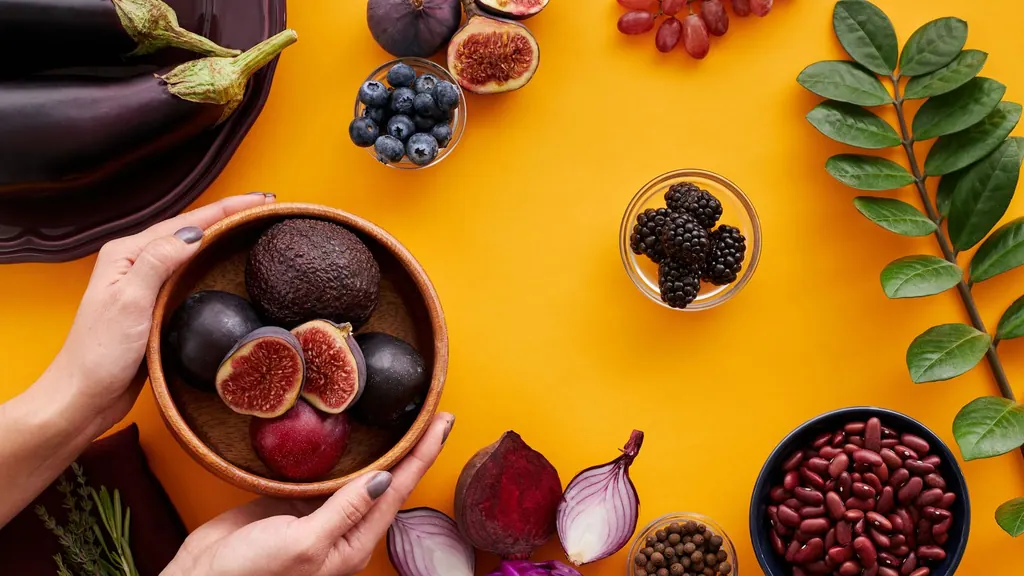
























The highest-fibre everyday foods are beans and lentils (about 5-12 g per ¾ cup cooked), bran cereals, avocado, pears, raspberries, chia and wholegrain bread. The NHS sets an adult target of 30 g a day, WHO recommends at least 25 g (2023), yet most UK adults eat only about 20 g.
How much fibre you actually need
Fibre targets differ a little by country, but they all land in the same range. The NHS recommends 30 g a day for adults, about 15 g for children aged 2 to 5, 20 g for ages 5 to 11 and 25 g for ages 11 to 16. It also notes that most UK adults eat an average of about 20 g a day (NHS).
The World Health Organization's July 2023 guideline on carbohydrates recommends that adults get at least 25 g of naturally occurring dietary fibre a day, with at least 15 g for children aged 2 to 5, 21 g for ages 6 to 9 and 25 g from age 10 (WHO). Note the word "naturally occurring": WHO is talking about fibre in whole foods, not powders.
North American targets are set by sex and age. Health Canada gives 25 g a day for women and 38 g for men, and says most Canadians get only about half that (Health Canada). In the United States, the federal digestive-disease institute NIDDK cites the Dietary Guidelines figure of 14 g of fibre per 1,000 calories, which works out at 28 g on a 2,000-calorie day (NIDDK).
The full Canadian age table, as published by HealthLinkBC in March 2025, shows how the targets shift across life:
| Age | Male | Female |
|---|---|---|
| 1 to 3 years | 19 g | 19 g |
| 4 to 8 years | 25 g | 25 g |
| 9 to 13 years | 31 g | 26 g |
| 14 to 18 years | 38 g | 26 g |
| 19 to 50 years | 38 g | 25 g |
| 51 and over | 30 g | 21 g |
| Pregnancy | – | 28 g |
| Breastfeeding | – | 29 g |
Source: HealthLinkBC File 68h, Fibre and your health. To get a personal figure based on your age, sex and energy needs, use our fibre calculator, then come back to the food list below to plan how to reach it.
Why the 25-30 g line matters
Fibre targets are not arbitrary. The strongest single piece of evidence behind the WHO figure is a set of systematic reviews and meta-analyses published in The Lancet in 2019 and part-funded by WHO. It pooled just under 135 million person-years of data from 185 prospective studies, plus 58 clinical trials with 4,635 adults (Reynolds et al., The Lancet, 2019).
What it found:
- People with the highest fibre intakes had a 15-30% lower risk of death from all causes and from cardiovascular disease, and lower rates of coronary heart disease, stroke, type 2 diabetes and colorectal cancer, than people with the lowest intakes.
- In the clinical trials, higher fibre intakes lowered body weight, systolic blood pressure and total cholesterol.
- The risk reduction was greatest at 25-29 g a day, and the dose-response curves suggested that more than that might bring further benefit.
The authors graded the certainty of the fibre evidence as moderate. That is a fair description: much of the data is observational, so it shows association rather than proof, but the trials point the same way and the dose-response pattern is consistent. It is a stronger evidence base than exists for most single "superfoods".
The high-fibre foods list, ranked by serving
The table below comes from the Canadian Nutrient File, as reproduced by HealthLinkBC in March 2025. It uses realistic servings rather than 100 g portions, which makes it far more useful when you plan meals. Values are total fibre per serving, from the same HealthLinkBC file linked above.
| Food | Serving | Fibre (g) |
|---|---|---|
| Adzuki beans, cooked | ¾ cup (175 mL) | 12.4 |
| Black beans, cooked | ¾ cup (175 mL) | 10.5 |
| Yellow beans, cooked | ½ cup (125 mL) | 9.7 |
| All-bran cereal | 30 g | 9.7 |
| Kidney beans, cooked | ¾ cup (175 mL) | 8.6 |
| Hummus | ¾ cup (175 mL) | 7 to 11 |
| Soy nuts, roasted | ¾ cup (175 mL) | 6.8 |
| Avocado | ½ fruit | 6.7 |
| Edamame, cooked | ¾ cup (175 mL) | 6.0 |
| Lentils or chickpeas, cooked | ¾ cup (175 mL) | 5.5 |
| Pear, with skin | 1 medium | 5.3 |
| Bran flakes | 30 g | 4.9 |
| Split peas, cooked | ¾ cup (175 mL) | 4.2 |
| Raspberries or blackberries | ½ cup (125 mL) | 4.1 |
| Potato, with skin | 1 medium | 3.9 |
| Almonds, dry roasted | ¼ cup (60 mL) | 3.8 |
| Chia seeds | 1 tbsp | 3.7 |
| Green peas, cooked | ½ cup (125 mL) | 3.7 |
| Apple, with skin | 1 medium | 3.5 |
| Sprouted-grain bread | 1 slice (35 g) | 3.3 to 4.5 |
| Oatmeal, large oats, cooked | ¾ cup (175 mL) | 3.2 |
| Brussels sprouts | 4 sprouts | 3.1 |
| Flaxseeds, whole | 1 tbsp | 2.9 |
| Quinoa or bulgur, cooked | ½ cup (125 mL) | 2.7 |
| Popcorn, air-popped | 2 cups (500 mL) | 2.5 |
| Wholewheat spaghetti, cooked | ½ cup (125 mL) | 2.4 |
| Orange | 1 medium | 2.3 |
| Broccoli or carrots, cooked | ½ cup (125 mL) | 2.2 |
| Banana or kiwi | 1 medium | 2.1 |
| Wholewheat bread | 1 slice (35 g) | 2.1 |
If you want a printable list, this table is it: print the page or save it as a PDF from your browser. Three patterns stand out once you look at it.
Pulses do the heavy lifting
Beans, lentils, chickpeas and peas dominate the top of the list. A single ¾-cup portion of black beans supplies roughly a third of a 30 g target. If you only change one habit, adding a portion of pulses most days is the most efficient.
Skins and whole grains matter
The apple, pear and potato figures are for the fruit or vegetable with its skin. HealthLinkBC notes that insoluble fibre is found especially in skins, and in whole grains, wheat bran and corn bran. Swapping white bread, rice and pasta for wholegrain versions adds a few grams at every meal without changing what you eat.
Seeds and nuts are small but dense
Chia and flax provide around 3 g per tablespoon. They are useful top-ups on yoghurt or porridge, but they are calorie-dense, so they work best as an addition rather than the main source.
Soluble and insoluble fibre: what each does
Most plant foods contain both types, so you do not need to count them separately. It still helps to know which foods lean which way, because they do different jobs. HealthLinkBC summarises them this way:
- Insoluble fibre (vegetable and fruit skins, whole grains, wheat bran, corn bran) adds bulk and helps prevent constipation.
- Soluble fibre (oats, barley, psyllium, beans and lentils, and fruit and vegetables) forms a gel in the gut and can help lower blood cholesterol, steady blood sugar and keep you full for longer.
Some fibres are also fermented by gut bacteria, which is why fibre sits at the centre of most conversations about the microbiome. The differences between fermentable fibres, live bacteria and the products that sell them are covered in our guide to prebiotics versus probiotics.
A sample day at 30 g
The NHS gives a worked example of a day that adds up to roughly 30 g: two slices of wholemeal toast with peanut butter and a medium orange at breakfast (about 8.3 g), wholemeal spaghetti with a lentil and tomato sauce at lunch (about 11 g), and grilled chicken with a skin-on baked potato, carrots and green beans for dinner (about 11.2 g), with snacks such as unsalted nuts, fruit or crackers with hummus.
You can build your own version from the table above. Here is one combination using the Canadian Nutrient File values:
| Meal | Foods | Approx. fibre |
|---|---|---|
| Breakfast | ¾ cup cooked large oats, 1 tbsp chia, ½ cup raspberries | 11.0 g |
| Lunch | 2 slices sprouted-grain bread, ¾ cup hummus (lower end) | 13.6 g |
| Snack | 1 medium pear with skin | 5.3 g |
| Dinner | ¾ cup cooked lentils, ½ cup cooked quinoa, ½ cup cooked broccoli | 10.4 g |
| Total | about 40 g |
That total would suit a man aiming for 38 g. For a 25 g target, drop the hummus portion to a few tablespoons and swap the lentils for a smaller side of peas. To check whether the rest of the day is balanced (protein, fruit and vegetables, whole grains), try our healthy eating check.
Fibre also pairs well with protein for fullness, which is why many dietitians build meals around a pulse or wholegrain base with a protein source on top.
Work out your daily fibre target
How to increase fibre without bloating
The most common complaint when people suddenly eat more fibre is wind, cramping and bloating. HealthLinkBC's advice is to add fibre slowly to limit gas, cramping and discomfort, and to drink plenty of fluids such as water as you eat more, to keep stools soft. NIDDK gives the same advice: increase fibre a little at a time so your body can adjust.
In practice, that looks like this:
- Add one change a week. For example, wholegrain bread in week one, a daily portion of pulses in week two, fruit with skin as a snack in week three.
- Start pulses small. Two or three tablespoons of lentils or beans in a soup or sauce is easier on the gut than a full bowl of chilli.
- Drink more as you eat more. Water, tea and other unsweetened drinks all count.
- Spread fibre across the day rather than loading it into one meal.
- Watch your own triggers. Some people tolerate oats well but react to beans, or the other way round.
If you have irritable bowel syndrome, inflammatory bowel disease, a history of bowel obstruction or a stoma, do not push fibre up on your own. Some of these conditions need a lower or modified fibre intake for a period. HealthLinkBC also notes that some people need to limit or change the type of fibre they eat to manage a medical condition.
"Fibremaxxing": what the trend gets right and wrong
"Fibremaxxing" (often spelled "fibermaxxing") is the social-media trend of deliberately loading meals with as much fibre as possible, often with chia, flax, psyllium and bean-heavy bowls, and posting the daily total.
What it gets right. Most people really are short of fibre. The NHS, Health Canada and WHO data above all say the same thing, and the Lancet analysis links higher intakes with lower risk across several major diseases. A trend that pushes people towards beans, whole grains, fruit and vegetables is pushing in the right direction.
What it gets wrong.
- Speed. Going from 15 g to 50 g overnight is a reliable way to end up bloated and uncomfortable, which tends to make people give up.
- Powder over food. WHO's recommendation is specifically about naturally occurring fibre in whole foods. Those foods also bring potassium, magnesium, polyphenols and protein that a fibre powder does not.
- Bigger is not always better. The Lancet dose-response curves suggested benefit beyond 29 g, but the trial evidence does not tell you that 60 g is better than 35 g, and very high intakes can be hard to tolerate.
- It is not for everyone. People with some gut conditions, people with small appetites (including older adults and those on appetite-suppressing medicines) and people who need more energy may be harmed by filling up on bulky food.
The practical takeaway: aim for your target (25-38 g depending on age and sex), get there gradually, and get most of it from food.
Fibre and diverticular disease
Diverticula are small pouches in the wall of the large intestine. Diverticulitis is when they become inflamed or infected. Fibre is often discussed here for two reasons.
First, prevention. A 2020 meta-analysis of five prospective cohort studies, covering 865,829 people and 19,282 cases, found that each extra 10 g of fibre a day was linked to a 26% lower risk of diverticular disease. People eating 30 g a day had a 41% lower risk than people eating 7.5 g (Aune et al., European Journal of Nutrition, 2020). This is observational evidence, so it shows association, not proof.
Second, long-term management. NIDDK says that if you have chronic symptoms or have had diverticulitis, your doctor may suggest eating more high-fibre foods, increased gradually. It also says that older advice to avoid nuts, seeds and popcorn is not supported by more recent research, and most people with diverticular disease do not need to avoid specific foods.
What these sources do not cover is the acute flare. Advice during an active bout of diverticulitis is set by the treating team and can differ from long-term advice, so follow the plan you are given and do not self-treat a flare with a high-fibre diet.
High-fibre foods around the world
The list above is based on Canadian data, but fibre-rich staples exist in every food culture. A few examples of traditional high-fibre foods:
- West Africa (including Nigeria): beans and cowpeas in dishes such as moin moin, akara and ewa agoyin; okra soup; leafy vegetables such as ugwu; whole millet, sorghum and fonio (acha); and unripe plantain. The bean dishes are the biggest contributors, in line with the pulse values in the table above.
- South Asia: dal made from lentils and split peas, chana (chickpeas), rajma (kidney beans) and wholewheat chapati.
- Mediterranean: chickpeas, lentils, fava beans, wholegrain bread, vegetables and fruit. The pattern as a whole is covered in our Mediterranean diet guide.
- East Asia: edamame, adzuki beans, brown rice and vegetables.
- Latin America: black and pinto beans, maize tortillas and avocado.
For exact figures on local foods, use your national food composition database, which is where the Canadian figures above come from.
Should you take a fibre supplement?
Food comes first, for the reasons WHO gives. But fibre supplements do have good evidence in one area: constipation. A 2022 systematic review and meta-analysis of 16 randomised trials in 1,251 adults with chronic constipation found that 66% of people responded to fibre supplements compared with 41% on control. Psyllium had the clearest effect, and doses above 10 g a day taken for at least four weeks appeared to work best, although the trials varied a lot (van der Schoot et al., American Journal of Clinical Nutrition, 2022).
Points to know before you start one:
- Psyllium is the best-studied. In the United States it is one of the few fibres allowed to carry an FDA health claim on coronary heart disease risk, based on its soluble fibre (US Code of Federal Regulations, 21 CFR 101.81).
- Take it with plenty of water and start with a low dose.
- Separate it from medicines. Bulk-forming fibre can affect how some medicines are absorbed, so ask your pharmacist about timing.
- Do not use it to hide new symptoms. A change in bowel habit that lasts more than a few weeks, blood in your stool or unexplained weight loss needs a doctor, not a supplement.
Our guides to choosing a fibre supplement and to how to improve gut health go into products and wider gut habits in more depth.
Who should get personal advice
Most healthy adults can raise their fibre intake safely by following the steps above. You should speak to a doctor or registered dietitian first if you:
- have IBS, Crohn's disease, ulcerative colitis, a stoma or a history of bowel obstruction;
- have diabetes and take insulin or other glucose-lowering medicines, since big changes in carbohydrate foods can change your readings;
- are older, have a small appetite or are losing weight without trying;
- have kidney disease and have been told to limit potassium, because some high-fibre foods (beans, potatoes, avocado) are also high in potassium.
If a symptom such as tiredness or numbness is part of the reason you are looking at your diet, it may not be about fibre at all; our guide to B12 deficiency covers one common cause. A dietitian can review your whole diet and build a fibre plan around your symptoms, medicines and food preferences. You can book a session with one through DieticiansWorldwide.com.
Frequently asked questions
What Nigerian food is rich in fibre?
Beans and cowpeas are the richest everyday sources, so dishes such as moin moin, akara and ewa agoyin are good choices. Okra soup, leafy vegetables such as ugwu, whole grains such as millet, sorghum and acha (fonio), and unripe plantain also add fibre. Building meals around beans and whole grains is the simplest way to reach 25-30 g a day.
Why high-fiber for diverticulitis?
Long term, a higher-fibre diet is linked with a lower risk of diverticular disease: a 2020 meta-analysis found 30 g a day was linked to a 41% lower risk than 7.5 g. NIDDK says doctors may suggest more fibre, added gradually, if you have had diverticulitis. During an active flare, follow your care team's specific advice instead.
What are the best fiber supplements for my health?
Psyllium has the strongest evidence, particularly for constipation, where a 2022 meta-analysis found fibre supplements helped 66% of people versus 41% on control. It also carries a US FDA heart-health claim for its soluble fibre. Start low, drink plenty of water and separate it from medicines. Food sources should still provide most of your fibre.
Can you provide a printable list of high-fiber foods?
Yes. The ranked table on this page, based on the Canadian Nutrient File, lists 30 common foods with realistic servings and grams of fibre. Use your browser's print or "save as PDF" option. Beans, lentils, bran cereal, avocado, pears, raspberries, chia and wholegrain bread are the most efficient foods on it.
How much fibre should I eat a day?
The NHS recommends 30 g for adults. WHO recommends at least 25 g of naturally occurring fibre (2023). Health Canada gives 25 g for women and 38 g for men, and the US figure is 14 g per 1,000 calories. Children need less, from about 15 g at age 2 to 5 rising with age.
Is it possible to eat too much fibre?
Yes, especially if you increase it quickly. Too much too fast causes wind, bloating and cramps, and very bulky diets can crowd out energy and protein in people with small appetites. People with some gut conditions may need a modified intake. Raise fibre gradually, drink plenty of fluid and get personal advice if you have a medical condition.
Which fruit has the most fibre?
Of common fruits in the Canadian Nutrient File list, avocado has about 6.7 g per half fruit, a medium pear with skin about 5.3 g, and half a cup of raspberries or blackberries about 4.1 g. A medium apple with skin has about 3.5 g. Eating the skin matters, because much of the insoluble fibre is there.