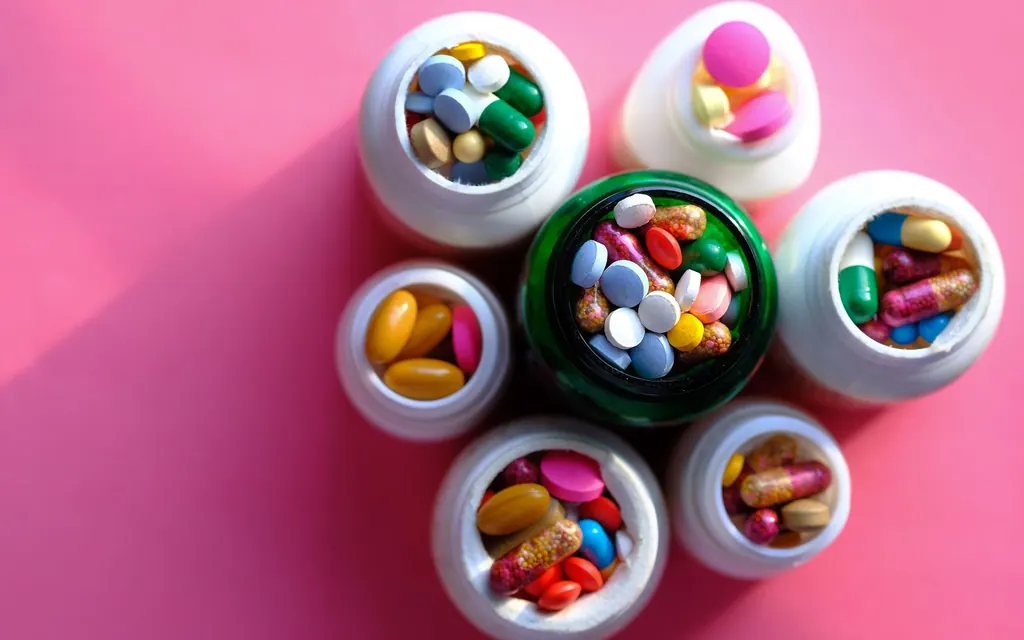
























Probiotics are live microorganisms that give a health benefit in adequate amounts; prebiotics are substances your own gut microbes selectively use to produce a benefit. In short, probiotics add microbes and prebiotics feed them. Both definitions come from ISAPP consensus statements (2014 and 2017), which also define synbiotics (2020) and postbiotics (2021).
The short version
The two words differ by one syllable and are sold side by side, so they are easy to mix up. The distinction is simple once you see it:
- Probiotics are microbes. You swallow live bacteria or yeasts, and the hope is that they do something useful as they pass through your gut.
- Prebiotics are food for microbes. You eat a substance, usually a type of fibre, that the microbes already living in your gut use, and the benefit comes from what they do with it.
There are two newer terms on the shelf as well. Synbiotics combine live microbes with a substance they can use. Postbiotics are microbes that have been deliberately inactivated, or parts of them, which can still have effects even though nothing is alive. And then there are fermented foods, which overlap with all of these but are a category of their own.
This guide explains each term using the definitions agreed by scientists, shows which foods supply prebiotics, and sets out when a supplement is worth considering. It is the definitions guide in our gut health series. For how to choose a specific probiotic strain, read our guide on why the probiotic strain matters; for a ranking of everything sold for digestion, see gut health supplements.
Where the definitions come from
Most researchers, regulators and manufacturers work from definitions agreed by expert panels of the International Scientific Association for Probiotics and Prebiotics (ISAPP), published as consensus statements in Nature Reviews Gastroenterology & Hepatology. Its definitions are not law, but they are the reference point most researchers use, and they are a useful test for any product claim.
| Term | Consensus definition | What it is in practice | Example |
|---|---|---|---|
| Probiotic | Live microorganisms that, when administered in adequate amounts, confer a health benefit on the host (2014) | A defined strain at a tested dose | A capsule of a named Lactobacillus strain |
| Prebiotic | A substrate that is selectively utilized by host microorganisms conferring a health benefit (2017) | Usually a fermentable fibre | Inulin, fructo-oligosaccharides (FOS), galacto-oligosaccharides (GOS) |
| Synbiotic | A mixture of live microorganisms and substrate(s) selectively utilized by host microorganisms that confers a health benefit (2020) | Microbes plus something for microbes to use | A product combining a strain with a fibre |
| Postbiotic | A preparation of inanimate microorganisms and/or their components that confers a health benefit (2021) | Deliberately inactivated microbes | Heat-killed bacterial preparations |
| Fermented food | Foods made through desired microbial growth and enzymatic conversions of food components (2021) | Food made by microbes, live or not at the point of eating | Yoghurt, kefir, kimchi, miso, sourdough |
Definitions from the ISAPP consensus statements on probiotics, prebiotics, synbiotics, postbiotics and fermented foods.
Probiotics: live, dosed and proven
The probiotic definition was first set by the Food and Agriculture Organization of the United Nations and the WHO, and the 2014 ISAPP panel confirmed it as "relevant and sufficiently accommodating" for current use. Every part of it is a test a product has to pass: the microbes must be alive, the dose must be adequate, and there must be a demonstrated benefit. A yoghurt that contains live cultures but has never been shown to benefit anyone is a fermented food with live cultures, not, strictly, a probiotic.
Prebiotics: selectively used, with a documented benefit
The 2017 prebiotic definition has two conditions that rule out a lot of products. The substance must be selectively used by microbes, rather than feeding every organism in the gut equally, and the panel stated that "beneficial health effects must be documented" for a substance to count. That is why not every fibre is a prebiotic. Most fibres feed gut microbes to some degree, but only some have evidence of selective use plus a health effect.
The 2017 update also widened the idea. A prebiotic no longer has to be a carbohydrate, it can act at body sites other than the gut, and it does not have to be a food. The panel noted that other substances, such as polyphenols, might fit the updated definition if the evidence is convincing, but the currently established prebiotics are carbohydrates: inulin, FOS and GOS.
Synbiotics: more than just mixing the two
You might assume a synbiotic is simply a probiotic plus a prebiotic in one product. The 2020 ISAPP panel split the term in two. A complementary synbiotic is exactly that: a probiotic and a prebiotic combined, each of which must meet its own definition. A synergistic synbiotic is designed so that the substrate is selectively used by the microbes in the same product, and its parts do not each have to qualify separately. The point is that a synbiotic should be tested as a combination. Putting two ingredients in one capsule does not prove they work better together.
Postbiotics: benefits from microbes that are no longer alive
Postbiotics are the newest category. The 2021 panel defined them as preparations of inanimate microorganisms or their components, and stated that an effective postbiotic must contain inactivated microbial cells or cell components, with or without metabolites. Purified metabolites on their own, such as a single acid made by bacteria, do not qualify. The appeal for manufacturers is practical: products do not have to keep organisms alive through storage. The evidence base is still small, so treat postbiotic claims with the same caution as any new ingredient.
What foods are prebiotics?
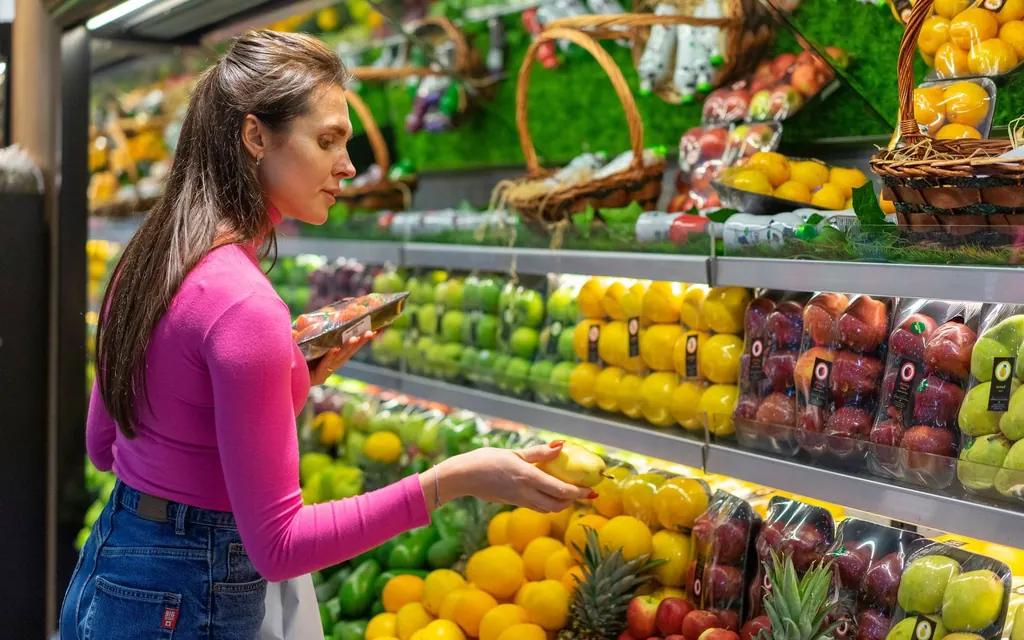
You do not need a supplement to eat prebiotics. They occur naturally in many plant foods. A review in Nutrients lists leeks, asparagus, chicory, Jerusalem artichokes, garlic, onions, wheat, oats and soybeans as foods that naturally contain prebiotics, and estimates that typical US and European diets supply "several grams per day" (Slavin, Nutrients 2013).
Monash University, which developed the low FODMAP diet, lists the everyday foods richest in two of the main prebiotic carbohydrates, fructans and GOS (Monash FODMAP).
| Prebiotic type | Richest everyday sources | Notes |
|---|---|---|
| Inulin and other fructans | Onion, garlic, leek, spring onion, artichoke, chicory root, wheat and rye bread and pasta | Inulin from chicory root is the most common supplement form |
| Galacto-oligosaccharides (GOS) | Red kidney beans, split peas, baked beans, falafel, cashews, pistachios | Pulses are the main dietary source |
| Fructo-oligosaccharides (FOS) | Found alongside inulin in onion, garlic, leek and other fructan-rich foods | Also added to some processed foods as an ingredient |
| Mixed fermentable fibres | Oats, asparagus, Jerusalem artichoke, soybeans | Bring other fibres, vitamins and minerals too |
Food sources have advantages that a powder cannot match. A bowl of lentil soup with onions and garlic provides several prebiotic fibres, other types of fibre, protein, folate and iron in one go. A spoonful of inulin provides inulin.
There is one useful regulatory example of a proven prebiotic effect. In the European Union, native chicory inulin carries an authorised health claim that it "contributes to normal bowel function by increasing stool frequency", but only for foods that provide 12 g of chicory inulin a day, and consumers must be told that the benefit depends on that intake (Commission Regulation (EU) 2015/2314). Twelve grams is far more than most single food portions supply, which illustrates how dose-dependent prebiotic effects are.
To see how much fibre your current diet provides overall, the high-fibre foods list gives grams per portion for common foods.
Where probiotics come from
Probiotics, by definition, are specific strains with evidence behind them, so the most reliable sources are products that name the strain and dose. Many people get live microbes from food instead: yoghurt and kefir with live cultures, and unpasteurised sauerkraut, kimchi and some miso. These are useful foods, but their strains and counts are usually unknown and vary between batches, so they are best thought of as fermented foods with live cultures rather than probiotics in the strict sense.
The ISAPP fermented foods panel made that separation explicit, describing how fermented foods differ from probiotics. Many fermented foods contain no live microbes at all by the time they are eaten because they are baked, pasteurised or otherwise processed afterwards, as with sourdough bread and shelf-stable pickles.
Are prebiotics better than probiotics?
Neither is better in general. They do different jobs, and the right choice depends on what you are trying to achieve.
| Goal | Better option | Why |
|---|---|---|
| Everyday gut health in a healthy person | Prebiotic foods and fibre | Feeds your own microbes and brings other nutrients; little evidence that daily probiotic capsules help people without symptoms |
| Bowel regularity | Fibre, including prebiotic fibres, plus fluid | Chicory inulin has an EU-authorised claim at 12 g a day; psyllium (not a prebiotic) also has strong evidence |
| Preventing diarrhoea on antibiotics | A specific, tested probiotic strain | This is where probiotic evidence is strongest |
| Irritable bowel syndrome | Dietitian-led approach; sometimes a probiotic trial | Prebiotic fibres are FODMAPs and can worsen wind and bloating |
The irritable bowel syndrome row is the one people most often get wrong. Fructans and GOS are among the fermentable carbohydrates that the low FODMAP diet temporarily restricts, because the gas produced when microbes ferment them can trigger pain and bloating in sensitive guts. Slavin's review notes the same trade-off in general terms: fibres that are fermented quickly can cause excessive gas and bloating, so dose matters. For someone with IBS, a high-dose prebiotic powder can make things worse. A dietitian can help you reintroduce prebiotic foods in amounts you tolerate, which matters, because cutting them out for good removes useful fibre.
Should I take prebiotics and probiotics together?
You can, and for most people the easiest way is through food: a live yoghurt with oats and a sliced banana, or kefir alongside a meal containing onions, beans or wholegrains. That combines live cultures with fermentable fibre without any need for a supplement.
Whether a combined supplement adds anything is a separate question. The 2020 synbiotic statement is clear that a combination should be tested as a combination. Products labelled "pre and probiotic" are often simply two ingredients in one capsule, with no evidence that the pairing works better than either alone, or better than food. If you are considering a synbiotic for a particular problem, look for trials of that exact product.
Practical rules if you do take supplements:
- Introduce one at a time. If you start a probiotic and a prebiotic powder in the same week and feel bloated, you will not know which one caused it.
- Start a prebiotic at a low dose and increase slowly, with extra fluid.
- Give each change about four weeks before judging it, then stop if nothing has improved.
- Ask your medical team before starting a probiotic if your immune system is weakened, you are in hospital with a serious illness, or the product is for a baby born early: rare but serious infections have been reported in these groups.
For a step-by-step plan that does not depend on supplements at all, see our guide on how to improve gut health.
Reading the label: what to look for
Because these terms have scientific definitions but loose marketing use, a label can say a lot without proving much.
"Contains prebiotics" on a food label tells you an ingredient such as inulin has been added. It does not tell you the amount, or whether that amount has any proven effect. Check the ingredients list and the fibre content per portion, and compare it with doses used in research, such as the 12 g a day of chicory inulin behind the EU bowel function claim.
For probiotics, the label should name the strain in full and state how many live organisms remain at the expiry date; our probiotics guide explains how to match that to the research. For prebiotics, look for the named fibre (inulin, FOS, GOS) and grams per serving. For synbiotics, look for evidence on the combination, not just the parts. For postbiotics, look for a description of the inactivated organism and any human trials.
How the wider supplement market is regulated, and what independent testing can and cannot tell you, is covered in the site's supplements section. Our guide to choosing a fibre supplement compares inulin with psyllium, methylcellulose and other fibres.
How fibre-rich diets fit in
Prebiotic foods are, for the most part, high-fibre plant foods, so a diet rich in prebiotics is usually a diet rich in fibre. Most adults in the UK fall well short of the recommended 30 g a day, which means the first gain for most people is simply eating more of these foods.
There is one nutritional check worth making if you are moving towards a heavily plant-based diet to feed your gut microbes. Plant foods supply prebiotics, fibre and many vitamins, but not vitamin B12, so read our guide to vitamin B12 deficiency and make sure you have a reliable source. Our free healthy eating check is a quick way to see whether your fibre, fruit and vegetable intake is on track.
When to get professional advice
A registered dietitian is useful if you have IBS or another gut condition, if you react badly to high-fibre or prebiotic foods, if you are considering supplements alongside medicines, or if you are planning a long-term change to your diet. A dietitian can tell you whether a prebiotic, a probiotic, both or neither makes sense for your situation. You can book a session with a dietitian to go through it.
Frequently asked questions
What is the difference between prebiotics and probiotics?
Probiotics are live microorganisms that provide a health benefit when taken in adequate amounts. Prebiotics are substances, usually fibres such as inulin, that your existing gut microbes selectively use to produce a benefit. Probiotics add microbes; prebiotics feed the ones already there. These are the consensus definitions agreed by ISAPP's expert panels in 2014 and 2017.
Should I take prebiotics and probiotics together?
You can, and food is the simplest way: live yoghurt or kefir eaten with oats, fruit, beans or onions combines live cultures with fermentable fibre. Combined supplements, called synbiotics, should have been tested as a combination, and many have not. Introduce one product at a time so you can tell what helps and what causes bloating.
What foods are prebiotics?
Foods rich in prebiotic fibres include onions, garlic, leeks, spring onions, artichokes, chicory root, asparagus, wheat and rye products, oats, soybeans and pulses such as kidney beans and split peas. Cashews and pistachios also contain prebiotic carbohydrates. Increase these foods gradually, because they can cause wind and bloating, particularly in people with IBS.
Are prebiotics better than probiotics?
Neither is better overall. For everyday gut health in healthy people, prebiotic foods and fibre have the stronger case because they feed your own microbes and bring other nutrients. For specific problems such as preventing diarrhoea on antibiotics, a tested probiotic strain has better evidence. In IBS, prebiotic fibres can worsen symptoms, so get tailored advice.
What are postbiotics?
Postbiotics are preparations of microorganisms that have been deliberately inactivated, or parts of those microorganisms, that provide a health benefit. ISAPP defined the term in 2021. Unlike probiotics, nothing in a postbiotic is alive, which makes products easier to store. The research is still at an early stage, so most postbiotic claims are not yet backed by strong human evidence.
Are all fibres prebiotics?
No. A prebiotic must be selectively used by gut microbes and have a documented health benefit. Many fibres feed microbes in a general way, and some, such as psyllium, work mainly by holding water rather than being fermented. Inulin, fructo-oligosaccharides and galacto-oligosaccharides are the best-established prebiotics. All of them are fibres, but not all fibres qualify.
Can prebiotics cause side effects?
Yes, mainly wind, bloating and abdominal discomfort, because gut microbes produce gas when they ferment prebiotic fibres. Effects depend on the dose and the person, and people with IBS are often more sensitive. Starting with small amounts, increasing slowly and drinking enough fluid usually helps. If symptoms are persistent, a dietitian can help adjust the type and amount.