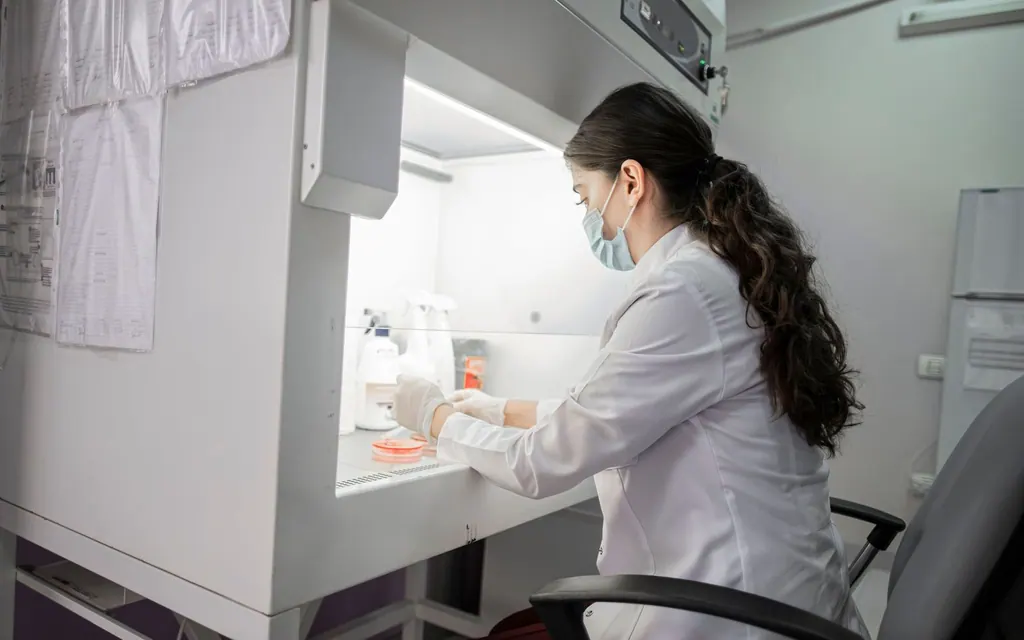
























An oncology dietitian is a registered dietitian who specialises in cancer care: preventing malnutrition, managing treatment side effects and supporting recovery. Access is patchy; a 2019 US survey found one dietitian per 2,308 new patients in outpatient cancer centres. The CSO board certification needs 2,000 hours of oncology practice and a $350 exam (CDR, 2026).
What an oncology dietitian does
Cancer and its treatment attack nutrition from several directions at once. Tumours can change metabolism and appetite; surgery can remove part of the gut; chemotherapy brings nausea, taste changes and diarrhoea; radiotherapy to the head, neck or abdomen can make swallowing or digestion painful. The US National Cancer Institute's summary for health professionals notes that studies have reported malnutrition in 30% to 85% of patients with cancer, and that malnutrition increases treatment toxicities and diminishes quality of life (NCI, Nutrition in Cancer Care PDQ, updated September 2024).
The oncology dietitian's job is to catch that early and act on it. The core tasks are:
- Screening and assessment: checking weight change, intake, symptoms that affect eating, muscle mass and physical function.
- Managing nutrition impact symptoms: practical strategies for nausea, mouth soreness, taste changes, early fullness, diarrhoea and constipation.
- Supplements and artificial nutrition: prescribing oral nutritional supplements, and planning tube feeding or, when the gut cannot be used, parenteral nutrition with the medical team.
- Correcting misinformation: helping patients weigh up diets, fasting and supplements they read about online.
- Survivorship and prevention: advice on weight, activity and eating patterns once treatment ends.
The focus here is the profession and how patients reach it. For the food side of treatment in more detail, see our companion guide to cancer nutrition.
Before, during and after treatment
| Phase | What the dietitian focuses on | Typical settings |
|---|---|---|
| Diagnosis and prehabilitation | Screening, correcting weight loss, building protein intake and activity before surgery or treatment | Outpatient clinic, prehabilitation programme |
| Surgery | Peri-operative nutrition, recovery after gut surgery, tube feeding if needed | Surgical ward, outpatient follow-up |
| Chemotherapy | Nausea, taste change, appetite, weight, infection-related food safety | Day unit, infusion centre |
| Radiotherapy | Swallowing and mouth problems in head and neck cancer, bowel effects in pelvic radiotherapy | Radiotherapy department, tube-feeding clinic |
| Advanced cancer and palliative care | Comfort, symptom relief, realistic goals, cachexia | Hospice, palliative team, home |
| Survivorship | Weight, physical activity, long-term side effects | Community, survivorship clinic |
The structure of the UK's professional network reflects this spread. The British Dietetic Association's Oncology Specialist Group, which began as an interest group in 1988 and became a specialist group in 1998, has more than 600 members a year and five sub-groups: palliative care, gastrointestinal, head and neck, haematology and prehabilitation (BDA Oncology Specialist Group).
Head and neck cancer
Head and neck work has its own BDA sub-group, because tumours and radiotherapy can make chewing and swallowing painful for weeks. Dietitians work closely with speech and language therapists, plan texture-modified diets and supplements, and decide with the team whether a feeding tube is needed. The national survey of outpatient cancer centres described below found that head and neck, gastrointestinal and lung cancer patients received the most dietitian consults.
Haematology and stem cell transplant
Patients with blood cancers may face intensive chemotherapy, long admissions and periods of very low white cell counts. Food safety advice matters, but the evidence has moved on from strict "neutropenic diets". The NCI summary reports that a meta-analysis and a systematic review found "no superiority or advantage in using a neutropenic diet over a regular diet" in neutropenic cancer patients. The NCI summary instead discusses reducing the risk of foodborne illness through food safety, rather than long lists of banned foods.
The evidence behind oncology nutrition advice
Oncology dietitians are often asked whether diet can treat cancer. The evidence-based answer is that nutrition supports treatment, recovery and quality of life; no diet has been shown to cure cancer. The two main guidelines are European and American.
ESPEN (Europe)
The European Society for Clinical Nutrition and Metabolism (ESPEN) practical guideline, published in 2021 with 43 recommendations, grades both the strength of each recommendation and the quality of the evidence behind it (ESPEN practical guideline: clinical nutrition in cancer, 2021). Key points:
- Screening: regularly evaluate nutritional intake, weight change and BMI from diagnosis onwards (strong recommendation, very low-quality evidence).
- Energy: if not measured, assume total energy expenditure is similar to healthy people, generally 25 to 30 kcal per kg a day (strong, low).
- Protein: intake should be above 1 g per kg a day and, if possible, up to 1.5 g per kg (strong, moderate).
- Nutrition intervention: for patients who can eat but are malnourished or at risk, use dietary advice, treatment of symptoms that impair eating and oral nutritional supplements (strong, moderate).
- No restrictive diets: do not use diets that restrict energy intake in patients with or at risk of malnutrition (strong, low).
- Exercise: maintain or increase physical activity to support muscle mass and function (strong, high).
ESPEN also states that there are no clinical trials showing a benefit of ketogenic diets in cancer patients, and that without evidence of benefit from fasting during chemotherapy, it does not recommend fasting before, during or after anticancer treatment. Our guide to intermittent fasting covers the wider fasting evidence outside cancer.
ASCO (United States)
The American Society of Clinical Oncology's 2020 guideline on cancer cachexia in advanced cancer is more cautious about what nutrition alone can achieve. It found that dietary counselling, with or without oral supplements, increased body weight in some trials "but evidence remains limited". Its recommendations are that "dietary counseling may be offered" to give patients and caregivers advice on managing cachexia, and that enteral feeding tubes and parenteral nutrition "should not be used routinely" in this group (Roeland and colleagues, Journal of Clinical Oncology, 2020).
Reading the two together
ESPEN and ASCO are less contradictory than they first look. ESPEN covers all patients with cancer, including those starting curative treatment, where preventing malnutrition is well supported. ASCO focuses on cachexia in advanced cancer, where weight loss is driven by the disease itself and is harder to reverse. Both support individual dietary counselling, and both stop short of recommending artificial feeding for everyone. An oncology dietitian's skill lies in judging which situation a patient is in. Where cachexia overlaps with age-related muscle loss, our guide to sarcopenia explains the role of protein and resistance exercise.
Tell your cancer team before starting any new diet, fasting plan or supplement, including high-dose vitamins, herbal products and omega-3 capsules. Some interact with chemotherapy or radiotherapy, and restrictive diets can cause weight loss at the point you can least afford it. Cancer Research UK advises asking to talk to a dietitian at your hospital about such diets or supplements.
Do cancer centres have dietitians?
Most do, but rarely enough of them. A national survey of 215 US outpatient cancer centres, run through the Academy of Nutrition and Dietetics' Oncology Nutrition Dietetic Practice Group, found a mean of 1.7 full-time-equivalent dietitians per centre: 3.1 at National Cancer Institute-designated centres and 1.3 elsewhere. The dietitian-to-patient ratio, based on new analytic cases, was 1 to 2,308. Only about half (53.1%) of centres screened for malnutrition, and most (76.8%) did not bill for nutrition services (Trujillo and colleagues, Journal of Oncology, 2019).
Accreditation sets only a low bar. The Association of Cancer Care Centers explains that the Commission on Cancer requires accredited programmes to have a referral system for nutrition services, which "can be on- or off-site under current standards", while noting a strong preference for easy, on-site access (ACCC, nutrition services).
Payment is part of the reason. Cancer is not on Medicare's list of conditions that qualify for Part B nutrition therapy, which is limited to diabetes, kidney disease and the period after a kidney transplant. S. 3934, introduced in the Senate in February 2026, proposes adding cancer and malnutrition (GovInfo).
Short-staffed specialty or competitive field?
Oncology is the clearest case in this series where the "short-staffed" claim has published support. A ratio of one dietitian to more than 2,000 new patients, with only half of centres screening, points to unmet need. Whether that translates into vacancies depends on funding: if centres cannot bill for nutrition care, need does not automatically become jobs. For job seekers, that means:
- NCI-designated centres employed more than twice as many dietitians on average as other centres (3.1 versus 1.3 full-time equivalents);
- outpatient dietitian time is spread thinly: the same survey averaged 1.0 full-time equivalent in medical oncology, 0.6 in radiation oncology and 0.3 in infusion;
- inpatient clinical posts that include oncology wards are a common first step.
Current vacancies are collected on our dietitian jobs hub; for work outside hospitals, see nutritionist jobs.
The CSO credential
The US credential for this field is the CSO, or Board Certified Specialist in Oncology Nutrition, run by the Commission on Dietetic Registration (CDR). Before booking the exam you need:
- an active RD credential, held for at least two years from the date you first passed the RD exam;
- at least 2,000 hours of oncology practice as an RD, counted back no further than five years, with qualifying education and professional activities able to cover a maximum of 800 hours (CDR CSO eligibility).
There is a single $350 fee, paid when the exam is scheduled, and testing is available throughout the year (CDR CSO exam and fee). To renew, you must show the same volume of oncology practice again.
Is board certification worth the cost?
The national pay data available does not isolate oncology. The 2024 Academy and CDR compensation survey found that dietitians with at least one specialty certification had a median hourly wage of $39.90, versus $36.97 without, a gap that partly reflects experience (Journal of the Academy of Nutrition and Dietetics, January 2025). Across all dietitians and nutritionists, the median annual wage in May 2025 was $76,400, according to the Bureau of Labor Statistics.
In oncology, the non-financial case is unusually strong. With so few dietitians per centre, the CSO helps a candidate stand out for scarce dedicated posts, signals to oncologists that you can manage complex cases such as head and neck radiotherapy or tube feeding, and can support a case for new posts. If you are earlier in your career, start with the registration route set out in how to become a dietitian.
Oncology dietetics in the UK
In the UK, oncology dietitians work in NHS cancer centres, district hospitals, hospices and community teams. "Dietitian" is a protected title, and there is no national board exam for oncology; specialist status reflects experience, post-registration training and the band of the post. The United Kingdom country guide explains registration and NHS career structure, and the BDA's oncology sub-groups show the main areas of specialist practice.
Cancer Research UK's patient advice is consistent with the guidelines: it says there is "no scientific evidence that alternative diets can cure cancer", that depriving yourself of protein, carbohydrates or fats can be harmful, and that patients should ask to talk to a hospital dietitian about diets or supplements and mention problems such as weight loss or swallowing difficulty (Cancer Research UK, alternative cancer diets).
How to find an oncology dietitian
- Ask your oncology team directly. If no dietitian has been mentioned, ask whether there is one in the centre or by referral.
- Mention warning signs early: unintended weight loss, eating noticeably less than usual, difficulty swallowing, persistent diarrhoea or vomiting.
- In the US, check whether your centre offers nutrition services on-site, whether your insurer covers them, and look for an RD or RDN with the CSO credential for private care; the United States country guide explains state licensure.
- In the UK, ask your clinical nurse specialist or consultant for a referral to the hospital dietetic service.
If you are struggling to eat during or after treatment, or want help weighing up dietary advice you have read, you can book a session with a registered dietitian.
Book a session with a dietitian
Oncology compared with other specialties
Oncology work is intense, often emotionally demanding, and involves frequent changes in a patient's condition. It shares the long-term relationships of renal dietetics, the growth focus of paediatric dietetics in children's cancer units, and some of the psychological skill of eating disorder dietitians, because weight loss and food fear are common. It suits dietitians who are comfortable with uncertainty, palliative care and close teamwork. Those who prefer prevention and performance may look instead at sports dietetics.
The practical takeaway
- Oncology dietitians prevent and treat malnutrition across diagnosis, treatment, palliative care and survivorship.
- ESPEN recommends over 1 g of protein per kg a day (up to 1.5 g) and advises against energy-restricting diets and fasting during treatment.
- ASCO says dietary counselling may be offered in cachexia, but evidence that it changes weight is limited.
- Staffing is thin: about one dietitian per 2,308 new patients in a 2019 US survey.
- The CSO needs 2,000 hours of oncology practice and a $350 exam.
Frequently asked questions
Do cancer centres have dietitians?
Most do, but often too few. A 2019 survey of 215 US outpatient cancer centres found an average of 1.7 full-time dietitians per centre and a ratio of one dietitian to 2,308 new patients, with only about half screening for malnutrition. Accreditation requires a referral system for nutrition services, which may be on-site or off-site. Ask your team directly.
What is a board-certified oncology dietitian?
It means a registered dietitian who has earned the CSO, the Board Certified Specialist in Oncology Nutrition credential issued by the Commission on Dietetic Registration in the US. Applicants need two years or more as an RD and 2,000 hours of cancer-care practice from the last five years, then must pass a $350 exam. Renewal requires fresh evidence of oncology practice.
How do I find an oncology dietitian?
Start with your oncology team or specialist nurse and ask for a referral to the centre's dietitian. In the US, check your insurance, as Medicare does not currently cover nutrition therapy for cancer. For private care, look for a registered dietitian with the CSO credential and a licence in your state. In the UK, ask your consultant or clinical nurse specialist.
When should a cancer patient see a dietitian?
Ideally soon after diagnosis, before problems build up. Ask for a referral if you are losing weight without trying, eating noticeably less, struggling to chew or swallow, or have ongoing nausea, diarrhoea or mouth soreness. ESPEN recommends regular nutrition screening from diagnosis, so early dietitian involvement fits the guideline approach.
Can diet cure cancer?
No. There is no scientific evidence that any diet cures cancer, and Cancer Research UK says alternative diets can be harmful if they cut out protein, carbohydrates or fats. Good nutrition helps you cope with treatment, recover and maintain strength. ESPEN advises against fasting during chemotherapy and found no trials showing benefit from ketogenic diets.
Should I take supplements during cancer treatment?
Only after checking with your cancer team or dietitian. Some high-dose vitamins, herbal products and other supplements can interact with treatment. ESPEN does support oral nutritional supplements for people who are malnourished or at risk, and makes a weak, low-evidence suggestion of omega-3 fatty acids or fish oil for people with advanced cancer on chemotherapy who are losing weight or malnourished. Your team will advise what suits you.