























An online dietitian is a registered dietitian who assesses and advises you by video, phone or secure messaging instead of in a clinic. A 2016 meta-analysis of 25 trials found telehealth dietary interventions improved diet quality, fruit and vegetable intake and sodium intake in adults with chronic disease. Check they are registered where you live.
What an online dietitian does
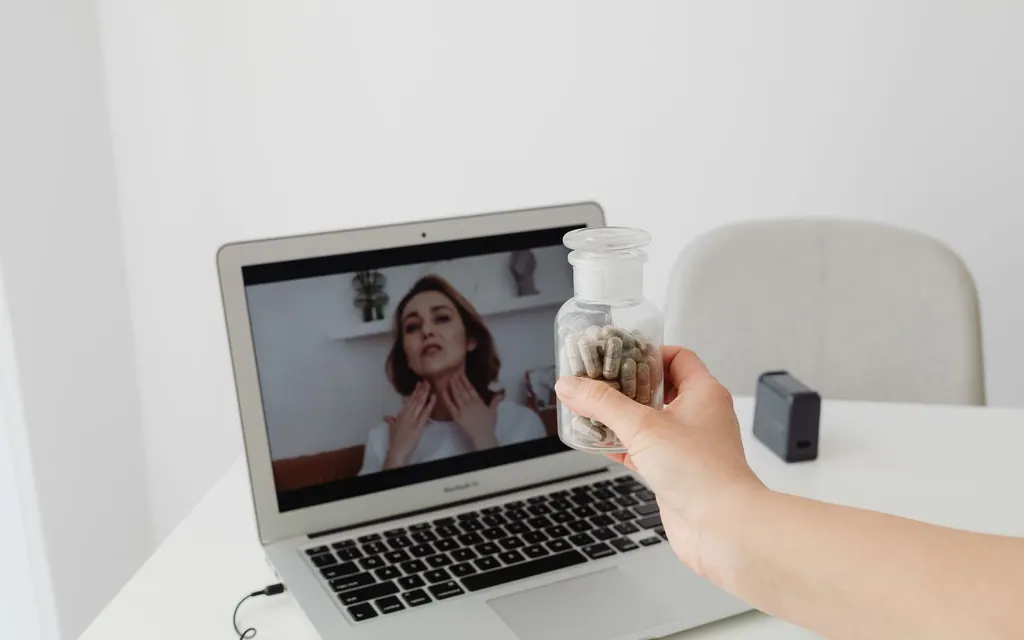
An online dietitian does the same job as one you would meet in a clinic: assessing your health, medicines and eating pattern, making a nutrition diagnosis, agreeing a plan and following up. The difference is the channel. Most appointments happen over a video call, some by phone, and many practices add secure messaging or the sharing of food diaries, photos or glucose data between sessions.
That makes online care particularly useful if you live far from a clinic, work shifts, care for children or relatives, have a condition that makes travel hard, or simply prefer talking from home. It also widens choice: you can look for a dietitian with a particular specialism, such as kidney disease, eating disorders or sports nutrition, rather than taking whoever is nearest, as long as they are allowed to practise where you are.
The professional rules do not relax because the session is virtual. The UK regulator, the Health and Care Professions Council (HCPC), tells registrants to consider how its standards apply to remote work, especially communication, confidentiality and managing risk, and notes that "not every service can be delivered remotely" (HCPC).
How a telehealth session works, step by step
1. Booking and intake
You choose a time online or by phone. Before the first appointment you will usually receive an intake form asking about your medical history, medicines, recent blood results, allergies, goals and a typical day of eating. You may also be asked to sign consent forms covering telehealth, privacy and fees. Fill these in carefully; the dietitian uses them to plan the session.
2. A technology check
You need a device with a camera and microphone, a stable internet connection and somewhere private to talk. Ask which platform the practice uses, whether you need to install anything, and what happens if the connection drops. Test the link a few minutes early.
3. The first session
The first session is usually the longest. Expect questions about:
- your reason for booking and what you want to change;
- your diagnoses, medicines and supplements;
- your eating pattern, including meals, snacks, drinks and alcohol;
- routine, work, budget, cooking facilities, culture and religious practices;
- activity, sleep, stress and appetite;
- any history of disordered eating.
Some things are harder online. A dietitian cannot weigh you or measure your waist, so they may ask you to do it at home, use recent clinic measurements, or skip measurements altogether. Physical signs of malnutrition, swelling or muscle loss are easier to judge in person.
By the end, you should have a small number of specific, agreed changes and a date for follow-up.
4. Follow-ups and between-session support
Follow-ups are shorter. You review what worked and what did not, adjust targets and plan for difficult situations. Some practices offer messaging between sessions, review food photos or glucose data, or send written summaries. Ask what is included in the fee and how quickly messages are answered.
5. Coordination with your other care
A good online dietitian will ask for permission to share a summary with your doctor, especially if you take medicines that interact with diet changes, such as insulin. They should also tell you what to do in an urgent situation, because messaging is not an emergency service.
| Feature | Online sessions | In-person sessions |
|---|---|---|
| Travel and time off work | None | Travel each visit |
| Choice of specialist | Wider, within licensing limits | Limited to your area |
| Weight and body measurements | Self-measured or from recent records | Measured by the dietitian |
| Physical assessment | Limited | Possible |
| Sharing food diaries and device data | Easy, if the platform is secure | Usually brought on paper or a phone |
| Best suited to | Follow-up, behaviour change, people far from clinics | Complex cases, children, malnutrition, tube feeding |
Does telehealth nutrition care work?
The evidence is reasonably encouraging, with some limits.
- Diet change. A meta-analysis of 25 randomised trials with 7,384 adults with chronic disease found telehealth dietary interventions improved diet quality, increased fruit and vegetable intake by about 1 serving a day and reduced sodium intake. They also produced small improvements in systolic blood pressure, total cholesterol, triglycerides, weight and waist circumference (Kelly and colleagues, American Journal of Clinical Nutrition 2016).
- Cardiovascular risk. A 2024 meta-analysis of 13 trials with 3,013 people with cardiovascular disease found telehealth dietary interventions lowered systolic blood pressure by 2.74 mm Hg and improved LDL cholesterol compared with usual care, with no significant difference for weight, BMI or triglycerides, and similar retention (Trivedi and colleagues, Journal of Medical Internet Research 2024).
- Weight management. Dietitian-led weight management delivered fully or partly at a distance has outperformed control groups in trials, much like face-to-face programmes; our guide to seeing a dietitian for weight loss explains those results and their caveats.
- Diabetes. Diabetes guidelines now support telehealth education; our guide to seeing a dietitian for diabetes covers what that means for appointments.
The limits are worth stating. Many trials used phone calls, text messages or websites rather than video consultations with a dietitian, and effects on single nutrients and weight were small. The fair conclusion is that remote nutrition care can work, and that the format you will actually stick with matters more than the channel.
When in-person care is the better choice
Online sessions suit most follow-up and behaviour-change work, but some situations call for a face-to-face appointment, or for a mix of the two:
- Suspected malnutrition or unplanned weight loss. Physical assessment of muscle, fat stores and fluid is part of diagnosing malnutrition and is hard to do over video.
- Babies and young children. Growth measurements, feeding observation and parental support often work better in a clinic.
- Tube feeding or texture-modified diets. Equipment checks, swallowing concerns and coordination with speech and language therapists usually need hands-on care.
- Complex medical care. Advanced kidney disease, a new insulin pump, pregnancy with diabetes or recent surgery may need closer monitoring and faster contact with your medical team.
- Eating disorders. Specialist teams often combine in-person and remote care, with clear rules about weighing and medical checks.
- Technology or privacy barriers. If you have no private space, unreliable internet, hearing or vision difficulties, or limited confidence with devices, a clinic visit or a phone call may be easier.
Many dietitians offer a blended model: an in-person first assessment, then remote follow-ups. If you are unsure, ask which format the dietitian recommends for your situation, and why.
Licensing: can an online dietitian see you where you live?
This is the question most people forget to ask. Online care crosses borders easily; professional registration does not.
United States
Dietitians are regulated by states. The Commission on Dietetic Registration's practice guidance says that if you interact electronically with clients in other states, "you must be licensed or certified (check State-specific regulations) in each State in which you electronically practice" (CDR Practice Tips, December 2022). An interstate Dietitian Licensure Compact is being set up: as of October 2026 its website says it has been enacted in seven states and reached activation, but compact privileges are not yet being issued (Dietitian Licensure Compact). The United States guide lists state rules.
Canada
Registration is provincial. The College of Dietitians of Ontario, in a position approved on 22 March 2024, says dietitians registered elsewhere in Canada must hold an Ontario certificate of registration to provide dietetic services to clients in Ontario, with narrow continuity-of-care exceptions (College of Dietitians of Ontario). Other provinces set their own rules; see the Canada guide.
United Kingdom and Europe
"Dietitian" is a protected title in the UK, and you can check anyone on the HCPC register. For UK-based dietitians seeing clients elsewhere in Europe, the HCPC says they "must abide by the individual rules and regulations of the relevant EU Member State". The United Kingdom guide covers the details.
Australia
Dietitians Australia runs the Accredited Practising Dietitian credential and a public directory, so you can find an APD and confirm their credential. The Australia guide explains how the APD system works.
Our guide to telehealth dietitian licensure goes further into cross-border rules for practitioners.
If you are travelling or have moved, tell the dietitian where you will physically be during the appointment. The rules usually depend on where the client is located at the time of the session, not where the dietitian is.
Costs and insurance for virtual visits
Virtual visits are not automatically cheaper or more expensive than in-person ones. In Australia, Medicare pays an identical rebate whether an eligible dietetics consultation happens by video or face to face. In the US, Medicare's list of telehealth services for 2026 includes the medical nutrition therapy codes (CMS), and private plans set their own telehealth rules, so ask whether a video visit is covered on the same terms as an office visit.
For the details, see our guides to how much a dietitian costs and to Medicare's medical nutrition therapy benefit.
Privacy and data protection
Online care creates more data: video calls, messages, uploaded photos, device readings and forms. Before you book, find out how that data is protected.
- In the US, HIPAA applies to covered entities, such as health care providers that conduct standard electronic transactions like insurance billing, and to the business associates that help them. Many consumer health apps fall outside HIPAA; the Federal Trade Commission says its Health Breach Notification Rule "applies to certain businesses or organizations that aren't covered by HIPAA", and the FTC Act still prohibits unfair or deceptive data practices (FTC).
- In the UK and EU, health information is special category data. The Information Commissioner's Office defines data concerning health as personal data related to a person's physical or mental health, including information that reveals their health status, and organisations need a specific legal condition to process it (ICO).
Questions to ask:
- Which video platform do you use, and is it designed for health care?
- Are sessions recorded? If so, where are recordings stored and for how long?
- Who can see my messages, photos and device data?
- Is my information shared with advertisers or third parties?
- How do I get a copy of my records, or ask for them to be deleted?
Avoid sending detailed health information through social media messages or ordinary chat apps unless the practice has told you it is secure. Dietitians setting up remote services can find a practitioner's view in our guide to HIPAA for dietitians.
How to choose an online dietitian
People often ask which online dietitian is "best". There is no single answer, and we do not rank services. The right choice is a registered professional with experience in your condition, who can legally see you where you live and whose way of working suits you. Use these checks:
- Registration. Ask for their registration or licence number and check it with the regulator.
- Specialism. Ask how often they work with people with your condition.
- Approach. Ask how they set goals, whether they focus on weight, and how they handle a history of disordered eating.
- Format. Video, phone or messaging, session length and how often follow-ups happen.
- Fees. The cost of first and follow-up sessions, what is included and the cancellation policy.
- Coordination. Whether they will write to your doctor.
Our guide on how to find a dietitian has a fuller checklist. If you are weighing a structured subscription programme against one-to-one care, see our guide to choosing an online weight loss program.
Dietitian or nutritionist online?
Online, the titles blur. To call themselves a registered dietitian, a practitioner must have finished an accredited degree, completed supervised placements and joined the register kept by a regulator or credentialing body. "Nutritionist" is protected in some places and not others, so training varies widely. For a medical condition, choose a registered dietitian. Our page on dietitian versus nutritionist explains the differences by country, and our which nutrition professional quiz takes a couple of minutes if you are still unsure.
Red flags
- No registration number, or one you cannot verify.
- Promises of a fixed amount of weight loss by a fixed date.
- Pressure to buy supplements, tests or products from the practitioner.
- A diet plan sent before any assessment.
- No clear privacy policy, or no answer about where your data goes.
Book a session with a dietitian
Frequently asked questions
Are online dieticians worth it?
For many people, yes. Trials of telehealth dietary interventions show improvements in diet quality, fruit and vegetable intake, sodium intake and some cardiovascular risk factors, and online care saves travel time. It is less suitable when you need physical assessment, close monitoring of malnutrition or tube feeding. The format you will attend consistently matters most.
Which online dietitian is best?
The best online dietitian for you is registered where you live, experienced with your condition, clear about fees and privacy, and willing to coordinate with your doctor. Check their registration number with the regulator, ask how often they treat people like you, and avoid anyone promising guaranteed results or selling products alongside advice.
Which is better, a nutritionist or a dietician?
For a medical condition, a registered dietitian is usually the safer choice, because the title requires accredited training, supervised practice and registration. "Nutritionist" is protected in some countries and not in others, so qualifications vary. For general healthy-eating advice, a registered nutritionist with recognised training may be suitable. Always check credentials.
How much does a dietitian typically cost?
There is no official private price in most countries. Public routes can be free or subsidised: NHS dietitians are free, US Medicare covers medical nutrition therapy for diabetes and kidney disease, and Australia's Medicare item 10954 pays a A$63.40 benefit with a GP plan. Ask any private practice for its first and follow-up fees in writing.
Can an online dietitian see me if I live in another country?
Sometimes, but it depends on the rules where you are located during the session and where the dietitian is registered. Many regulators require registration in the client's jurisdiction, and professionals working across borders must follow the destination country's rules. Ask the dietitian directly, and check with your local regulator if in doubt.
What do I need for a video appointment with a dietitian?
A phone, tablet or computer with a camera and microphone, a stable internet connection and a private space. Have your medicine list, recent blood results, any glucose or device data and a short food diary ready. If you can weigh yourself at home, note the result and the time of day before the call.