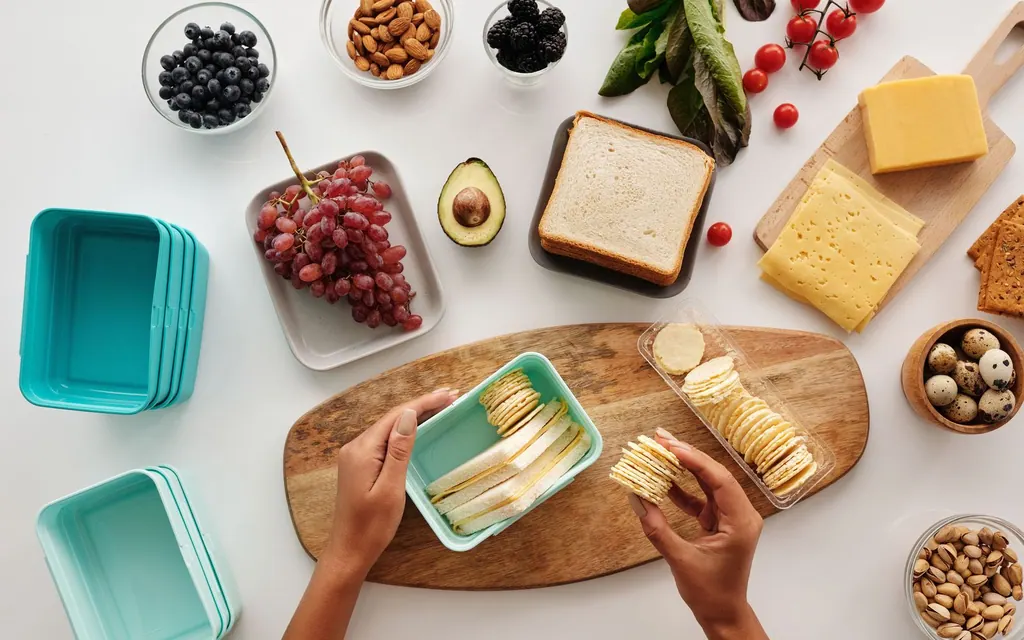
























There is no single best PCOS diet. The 2023 International Evidence-based PCOS Guideline found no evidence that any one diet composition beats another, and recommends sustainable healthy eating tailored to your preferences. A plan built on whole foods, fibre, protein and regular meals, with an energy deficit only if weight loss is a goal, helps insulin resistance and long-term health.
PCOS, and why diet advice is so confusing
Polycystic ovary syndrome (PCOS) is common. The 2023 International Evidence-based Guideline for the Assessment and Management of PCOS, developed with 39 professional and consumer organisations covering 71 countries, puts its prevalence at 10% to 13% of women of reproductive age, across all ethnicities and world regions (Teede and colleagues, Journal of Clinical Endocrinology and Metabolism 2023). In the UK the NHS now uses the name polyendocrine metabolic ovarian syndrome (PMOS), noting that it "used to be called polycystic ovary syndrome", and lists symptoms including irregular periods, excess hair growth or hair loss, weight gain or difficulty losing weight, difficulty getting pregnant, depression or anxiety, acne and tiredness (NHS, Polyendocrine metabolic ovarian syndrome). We use "PCOS" here because it is still the term most people search for.
Online, PCOS diet advice is a minefield: cut all carbs, go dairy-free, avoid gluten, fast every day, take five supplements. Much of it is presented as certain when the evidence is thin, and some of it is unnecessarily restrictive. This guide follows the international guideline, which is the most thorough review of the evidence available, and explains what it actually says about food, weight, supplements and wellbeing.
Nothing here replaces medical care. PCOS is diagnosed by a doctor, and medicines such as the combined pill, metformin, anti-obesity medicines and fertility treatments should be discussed with your doctor. Do not start, stop or change medicines because of a diet plan.
What the 2023 guideline says about diet
The guideline's dietary recommendations are short and direct:
- Healthcare professionals and women "should consider that there is no evidence to support any 1 type of diet composition over another" for body measurements, metabolic, hormonal, reproductive or psychological outcomes.
- Any diet "consistent with population guidelines for healthy eating will have health benefits", and professionals should advise "sustainable healthy eating tailored to individual preferences and goals".
- Changes should be flexible, individual and co-developed, "avoiding unduly restrictive and nutritionally unbalanced diets".
It also says "there are benefits to a healthy lifestyle even in the absence of weight loss", and that healthy lifestyle and weight management, with structured and ongoing support, "appears equally effective in PCOS as in the general population". In other words, the good news is that you do not need a special, complicated PCOS diet. The same healthy-eating principles that help everyone help you, adapted to your symptoms, goals and life.
Why so little certainty?
The evidence behind these statements is limited. A Cochrane review of lifestyle changes in PCOS found 15 trials with 498 participants. Lifestyle intervention "may" reduce weight, by an average of 1.68 kg, and may improve the free androgen index, a measure of active testosterone, but the evidence was low quality, and no trials looked at live birth, miscarriage or menstrual regularity (Lim and colleagues, Cochrane Database of Systematic Reviews 2019). That is why the guideline focuses on what is sustainable rather than prescribing one diet.
Insulin resistance: the reason food matters
The guideline describes insulin resistance as "a pathophysiological factor in PCOS": part of the underlying biology of the condition, in which the body's cells respond less well to insulin. The guideline also warns that, "regardless of age and BMI", women with PCOS have an increased risk of impaired glucose tolerance and type 2 diabetes, and recommends checking glucose status at diagnosis and every one to three years.
Two practical points follow:
- You do not need an insulin blood test. The guideline says clinically available insulin tests "are of limited clinical relevance and are not recommended in routine care". An oral glucose tolerance test is the preferred check for diabetes risk.
- Diabetes prevention matters for everyone with PCOS, not only people with higher weight. The eating patterns that prevent type 2 diabetes are directly relevant; our guide to the prediabetes diet explains them in detail.
Building a PCOS-friendly eating pattern
With no single "PCOS diet", the aim is a pattern that steadies blood glucose, supports a healthy weight for you, and that you can keep up. The building blocks below reflect general healthy-eating guidance, which the guideline says is the right foundation. In the UK that is the Eatwell Guide, which shows how much of what you eat overall should come from each food group, including at least five portions of fruit and vegetables a day (NHS, The Eatwell Guide).
Carbohydrate quality, not zero carbohydrate
Low-carbohydrate diets are popular for PCOS, and some people find them helpful, but the guideline found no evidence that they are better than other healthy patterns. What tends to help most is the type and amount of carbohydrate:
- Choose wholegrain bread, oats, brown rice, wholewheat pasta, potatoes in their skins, beans, lentils and chickpeas over refined, white versions.
- Keep sugary drinks, sweets, pastries and biscuits for occasional use.
- Pair carbohydrates with protein, fibre or healthy fat, such as fruit with yoghurt, or toast with eggs, which slows how quickly they are absorbed.
- Spread carbohydrates across the day rather than eating most of them in one large meal.
Fibre at every meal
Fibre from vegetables, fruit, pulses, wholegrains, nuts and seeds improves fullness and blood glucose control, and supports gut health. Our high-fibre foods list has practical swaps.
Protein to keep you full
Including a source of protein at each meal, such as eggs, fish, chicken, tofu, Greek yoghurt, beans or lentils, helps appetite control and preserves muscle if you are losing weight. Our guide on how much protein you need explains how to estimate your own requirement.
Healthy fats
Use olive and rapeseed oil, nuts, seeds, avocado and oily fish, and keep processed meats, fried takeaways and pastries as occasional foods. A Mediterranean-style pattern brings all of these together; our Mediterranean diet guide covers its evidence.
A sample day
This is one example, not a prescription. Swap foods to suit your culture, budget and tastes.
- Breakfast: porridge made with milk or a fortified plant drink, topped with berries and a spoonful of nut butter.
- Lunch: wholegrain wrap with chicken or falafel, salad and hummus; a piece of fruit.
- Snack: plain yoghurt with seeds, or a small handful of nuts.
- Dinner: salmon or a bean chilli with brown rice and plenty of vegetables.
- Drinks: water, tea or coffee without sugar.
Not sure where to start? Our free healthy eating check scores your usual meals in a few minutes and flags the easiest wins.
Can you lose weight with PCOS?
Yes. Many people with PCOS find weight harder to lose, and that frustration is real, but the guideline found "a lack of consistent evidence" that women with PCOS differ physiologically or behaviourally from women without PCOS in ways that explain weight gain. Lifestyle weight management with ongoing support works as well in PCOS as in other people.
The guideline's practical points for people with higher weight are:
- Focus on preventing further weight gain, lifelong, as a goal in its own right.
- If weight loss is a goal, a "tailored energy deficit" based on your energy needs, weight and activity, rather than a crash diet.
- Value improvements in waist size and metabolic health, not only the number on the scales.
- Ongoing support, because short programmes rarely produce lasting change.
The Cochrane review's average loss of 1.68 kg shows that lifestyle change alone often produces modest weight loss in trials. Small losses can still matter for metabolic health, and the guideline stresses benefits even without weight loss.
Physical activity
The guideline's exercise advice mirrors its diet advice: there is "a lack of evidence supporting any 1 type and intensity of exercise being better than another". Any activity consistent with population guidelines helps, including reducing time spent sitting. Choose what you enjoy enough to keep doing.
Medicines for weight
The guideline says anti-obesity medicines, including GLP-1 receptor agonists such as liraglutide and semaglutide, and orlistat, "could be considered, in addition to active lifestyle intervention, for the management of higher weight in adults with PCOS". It also says women taking GLP-1 medicines should use effective contraception when pregnancy is possible, because pregnancy safety data are lacking. These are decisions to make with your doctor; our guide to GLP-1 weight loss explains how these medicines work and how diet changes alongside them.
Does inositol help PCOS?
Inositol, sold as myo-inositol, D-chiro-inositol or a combination, is the supplement most often promoted for PCOS. The guideline's verdict is cautious:
- Inositol "could be considered" based on individual preferences and values, "noting limited harm, potential for improvement in metabolic measures, yet with limited clinical benefits including in ovulation, hirsutism, or weight".
- Metformin "should be considered over inositol" for excess hair and central fat, although metformin has more gut side effects.
- No specific type, dose or combination of inositol can be recommended, "due to a lack of quality evidence", and supplement quality and doses may vary.
- Tell your healthcare professional if you take inositol or other complementary therapies.
The systematic review commissioned for the guideline pooled 30 trials with 2,230 participants and concluded that the evidence for inositol "is limited and inconclusive", with possible benefits for some metabolic measures and, for D-chiro-inositol, ovulation; myo-inositol caused fewer gut side effects than metformin (Fitz and colleagues, Journal of Clinical Endocrinology and Metabolism 2024). So inositol is a reasonable option to discuss if you prefer it, but it is not a proven treatment, and it is not a substitute for medical care when you are trying to conceive.
What about metformin?
The guideline says metformin "should be considered" for adults with PCOS and a BMI of 25 or more for weight, metabolic outcomes and insulin resistance, and that women should be told metformin and active lifestyle intervention "have similar efficacy". Its gut side effects are usually dose-dependent and settle; starting low helps. Long-term use may be associated with low vitamin B12, especially in people with other risk factors such as a vegan diet, so monitoring may be needed; see our guide to B12 deficiency.
| Option | What the 2023 guideline says | Certainty of evidence |
|---|---|---|
| Healthy diet of any composition | No diet type is better than another; tailor to preferences | Very low |
| Lifestyle weight management | Equally effective in PCOS as in others; benefits even without weight loss | Low (practice point) |
| Inositol | Could be considered; limited clinical benefit; no dose recommended | Very low |
| Metformin | Should be considered if BMI is 25 or more; similar efficacy to lifestyle | Very low |
| GLP-1 medicines and orlistat | Could be considered alongside lifestyle for higher weight | Consensus |
| Letrozole for fertility | First-line medicine for ovulation induction | High |
PCOS, fertility and pregnancy
Difficulty conceiving is one of the hardest parts of PCOS for many people, and it deserves sensitive, individual care. The guideline's messages are hopeful: "pregnancy can often be successfully achieved either naturally or with assistance".
On nutrition and fertility, the guideline recommends that before pregnancy, weight, blood pressure, smoking, alcohol, diet and nutritional status, exercise, sleep, and mental, emotional and sexual health are all considered. It specifies folate supplementation, at a higher dose for those with a BMI over 30. It also says women should be counselled on the adverse impact of excess weight on pregnancy outcomes after fertility treatment, while warning that this conversation needs care to avoid weight stigma.
For medical treatment, the guideline recommends letrozole as "the first-line pharmacological treatment for ovulation induction" in women with PCOS and no other fertility factors. Fertility medicines are prescribed and monitored by your doctor or fertility team. A dietitian can work alongside them to support preconception nutrition and, if you want it, gradual and safe weight management.
Mental health, body image and eating
PCOS affects much more than hormones. The guideline says healthcare professionals should be aware of "the high prevalence of moderate to severe depressive symptoms and depression" in adults and adolescents with PCOS and should screen everyone for depression, and adults for anxiety. It also recognises the negative impact PCOS features can have on body image.
Disordered eating
The guideline states that "eating disorders and disordered eating should be considered in PCOS, regardless of weight, especially in the context of weight management and lifestyle interventions". This matters for anyone following a strict PCOS diet. Rigid food rules, cutting out whole food groups and repeated dieting can tip into disordered eating, and restrictive eating patterns occur in conditions such as ARFID as well as better-known eating disorders. If eating feels out of control, or you are anxious about food, tell your doctor; it changes the right approach.
Weight stigma
Many women with PCOS report weight stigma in healthcare settings, and the guideline asks professionals to recognise their own weight biases and to focus on health behaviours and outcomes for people of all sizes. If a professional has made you feel judged, you are entitled to ask for a different approach. A good dietitian will start with your priorities, whether that is energy, cycles, skin, fertility, mood or weight, rather than a target number.
Generic diet sheets versus an individual plan
PCOS diet sheets and apps are everywhere. They can be a useful starting point, but they share the same limitation: they cannot account for your symptoms, medicines, weight history, culture, budget, cooking situation, mental health or fertility plans. The guideline's own wording, "flexible, individual, and co-developed", describes what an individual plan offers.
A registered dietitian can:
- Turn healthy-eating principles into meals you will actually eat.
- Set realistic goals, including goals that are not about weight.
- Adjust your plan around metformin, GLP-1 medicines or fertility treatment.
- Screen for disordered eating and adapt the approach if needed.
- Support you over months, which the guideline says is important.
If weight loss is one of your aims, our article on working with a dietitian for weight loss explains what to expect. People with kidney disease or other conditions alongside PCOS may need different targets; for example, protein and potassium advice differs on a renal diet.
How strict does a PCOS diet need to be?
Much less strict than the internet suggests. The guideline explicitly advises against "unduly restrictive and nutritionally unbalanced diets". There is no evidence-based reason for most people with PCOS to cut out gluten, dairy or all carbohydrates. Consistency matters more than perfection: regular meals, mostly whole foods, plenty of fibre and protein, and treats in moderation, sustained over years.
Readers in Britain can use our United Kingdom guide to see how NHS and private dietetic care is organised and how to check a dietitian's registration. For one-to-one help with your symptoms, goals and medicines, use the booking link below.
Book a session with a dietitian
Frequently asked questions
What is the best diet for PCOS?
There is no single best diet. The 2023 International Evidence-based PCOS Guideline found no evidence that any one diet composition is better than another for weight, hormones, fertility or mood. It recommends sustainable healthy eating tailored to your preferences: mostly whole foods, wholegrains, fibre, protein, healthy fats and fewer sugary and processed foods, without overly restrictive rules.
Does inositol help PCOS?
It may help a little. The 2023 guideline says inositol could be considered based on personal preference, noting limited harm and possible improvement in metabolic measures, but limited benefit for ovulation, excess hair or weight. No specific type or dose is recommended, and metformin is preferred for excess hair and central fat. Tell your doctor if you take it.
Can you lose weight with PCOS?
Yes. Weight loss can feel harder, but the guideline says lifestyle weight management with ongoing support works as well in PCOS as in other people. A tailored energy deficit, regular activity and support over time help most. Anti-obesity medicines such as GLP-1 receptor agonists can be considered alongside lifestyle changes for higher weight, after discussion with your doctor.
Should I cut out carbs, dairy or gluten if I have PCOS?
Not usually. The guideline found no evidence that any diet type is superior and warns against unduly restrictive and unbalanced diets. Choosing wholegrain and high-fibre carbohydrates, and limiting sugary foods and drinks, is more useful than cutting carbohydrates entirely. Dairy and gluten only need avoiding if you have a diagnosed allergy, intolerance or coeliac disease.
Can diet help PCOS fertility?
Diet is part of preconception care. The guideline recommends optimising diet, nutritional status, weight, activity, sleep and mental health before pregnancy, with folate supplements, at a higher dose for a BMI over 30. Fertility treatment itself, such as letrozole, is managed by your doctor. A dietitian can support nutrition and gradual weight change alongside it.
Is PCOS now called PMOS?
The NHS now uses the name polyendocrine metabolic ovarian syndrome (PMOS) and notes that it used to be called polycystic ovary syndrome. The condition is the same, and so is the evidence on diet and lifestyle. Many sources, including the 2023 international guideline, still use the term PCOS, so you will see both names.