























A GLP-1 diet plan should put protein first at each small meal, add fibre gradually, keep fluids up and limit fatty, fried and ultra-processed foods. A 2025 joint advisory from four US nutrition and obesity societies backs this pattern. The 7-day example below is general, not a prescription: agree portions with your care team.
Why eating changes on a GLP-1 medicine
GLP-1 medicines such as semaglutide and tirzepatide reduce appetite and slow the rate at which food leaves the stomach. Many people find they are satisfied by half their usual portion, lose interest in foods they used to crave, or feel uncomfortably full after a normal meal. If you have searched "what to eat on Ozempic" or a similar brand name, the underlying question is the same: how do you stay well nourished when you are eating much less?
The scale of the change is large. The 2025 nutrition advisory from the American College of Lifestyle Medicine, the American Society for Nutrition, the Obesity Medicine Association and The Obesity Society reports observed calorie reductions of 16% to 39% in people using these medicines for obesity. It warns that this "large, rapid reduction can produce insufficient intake of essential vitamins and minerals", especially at intakes below 1,200 kcal a day for women and 1,800 kcal a day for men (joint GLP-1 nutrition advisory, 2025). So the goal of a GLP-1 diet is not to eat as little as possible. It is to make a smaller amount of food do more work.
This article gives you a framework and a sample week. It does not replace individual advice. Your energy needs, protein target and any restrictions depend on your size, age, kidney function, other conditions and medicines. For the bigger picture on how these medicines work and what the trials show, see our guide to GLP-1 weight loss.
The five principles behind the plan
1. Protein first
Muscle is easy to lose when you eat much less, and protein, together with strength training, helps protect it. How much is enough? The advisory sets out a range rather than one number. The standard adult allowance is 0.8 g per kilogram of body weight daily; researchers have proposed 1.2 to 1.6 g/kg while weight is falling; and a simple fixed goal somewhere between 80 and 120 g a day may be easier to stick to. Because calculations based on current weight can inflate the figure for people with obesity, adjusted weight is often used instead, and the authors advise against going above 2 g/kg a day for long periods.
Two practical tips from the advisory are worth adopting straight away: eat the protein part of your meal first, before you fill up, and choose lower-volume, nutrient-dense protein foods such as fish, eggs, Greek yoghurt, cottage cheese, nuts and seeds and their butters. Our protein calculator gives a starting estimate to discuss with your dietitian, and our guide to high-protein snacks lists easy options.
Protein alone will not preserve muscle. The advisory states that increased protein "is likely inadequate to support the preservation of muscle mass in the absence of structured resistance/strength training", and recommends strength training at least three times a week plus at least 150 minutes of moderate aerobic activity. The wider debate about how much lean tissue people lose, and who is most at risk, is covered in our article on whether GLP-1 medicines cause muscle loss.
2. Fibre, built up gradually
Fibre supports bowel regularity, fullness and heart health, and constipation is common on these medicines. UK government guidelines say adults should aim for 30 g of fibre a day, while most eat about 20 g (NHS). On a GLP-1, there is a twist: foods high in fibre, fat or protein slow stomach emptying further, which can worsen fullness or nausea in the first days of treatment or after a dose increase. The advisory suggests avoiding fatty or high-fibre foods during the first few days of treatment, then building fibre back up with plenty of fluid. The fibre calculator and our high-fibre foods list help you increase intake in steps.
3. Fluids every day
Reduced appetite often means reduced thirst, and vomiting or diarrhoea can quickly cause dehydration. The US prescribing information for tirzepatide reports postmarketing cases of acute kidney injury, mostly in people who had gastrointestinal side effects (FDA label for tirzepatide via DailyMed). The Eatwell Guide recommends 6 to 8 cups or glasses of fluid a day, and more in some circumstances (NHS). Water, milk, unsweetened tea and coffee all count. The water intake calculator gives a personal estimate.
4. Small, regular meals
The advisory's dietary table encourages "regular, small meals at consistent times" and discourages large meals and long gaps without food. Nausea is often worse in the morning or after a long gap, and some people fall into a cycle of not eating because they feel sick, which then makes the nausea worse. The advisory suggests eating breakfast and then small meals every 3 to 4 hours while drinking enough fluid. If you forget to eat, set a reminder.
5. Quality over quantity
When portions shrink, the foods that remain need to carry vitamins, minerals and fibre. The advisory recommends a variety of minimally processed foods, including fruit, vegetables, whole grains, legumes, lean proteins, nuts and seeds, and advises avoiding refined carbohydrates, sugar-sweetened drinks, red and processed meat, and most fast food, sweets and savoury snacks. It also suggests considering supplements for at-risk nutrients such as vitamin D, calcium and B12, tailored to the person.
A sample 7-day GLP-1 meal plan
The plan below shows the pattern, not the amounts. Portion sizes are deliberately left out: they should be agreed with your dietitian or prescriber, based on your energy needs, protein target and how your appetite responds. On many days you will eat less than shown, and that is fine as long as you prioritise the protein part of each meal and keep drinking.
| Day | Breakfast | Lunch | Evening meal | Small extras |
|---|---|---|---|---|
| Monday | Greek yoghurt with berries and a spoon of chia seeds | Lentil and vegetable soup with a slice of wholegrain bread | Baked salmon, new potatoes and steamed green beans | Glass of milk; a few almonds |
| Tuesday | Scrambled eggs on wholegrain toast with spinach | Chicken, chickpea and tomato salad with olive oil dressing | Turkey mince chilli with kidney beans and a small portion of brown rice | Cottage cheese with cucumber |
| Wednesday | Porridge made with milk, topped with sliced banana and peanut butter | Tuna and sweetcorn wholemeal wrap with salad | Tofu and vegetable stir-fry with noodles | Apple with a small piece of cheese |
| Thursday | Smoothie of milk or soya drink, frozen berries, oats and yoghurt | Leftover chilli in a baked potato | Cod in tomato sauce with courgettes and quinoa | Edamame beans |
| Friday | Boiled eggs with wholegrain crackers and cherry tomatoes | Bean and vegetable soup with a spoon of grated cheese | Chicken and vegetable traybake with roasted sweet potato | Kefir or yoghurt drink |
| Saturday | Wholegrain toast with smoked mackerel and sliced tomato | Omelette with peppers and mushrooms, side salad | Prawn, pea and lemon wholewheat pasta | Hummus with carrot sticks |
| Sunday | Overnight oats with yoghurt, grated apple and cinnamon | Roast chicken salad with lentils and roasted vegetables | Vegetable and bean stew with a small wholegrain roll | Pear and a few walnuts |
How to use the plan
- Eat the protein first. On Monday evening, start with the salmon, then the beans, then the potatoes if you still want them.
- Swap freely within food groups. Chicken for fish, lentils for beans, rice for quinoa. Vegetarian and vegan versions work with eggs, dairy, soya, tofu, tempeh, beans and lentils.
- Shrink, don't skip. If you can manage only a few mouthfuls, choose the protein and a little vegetable.
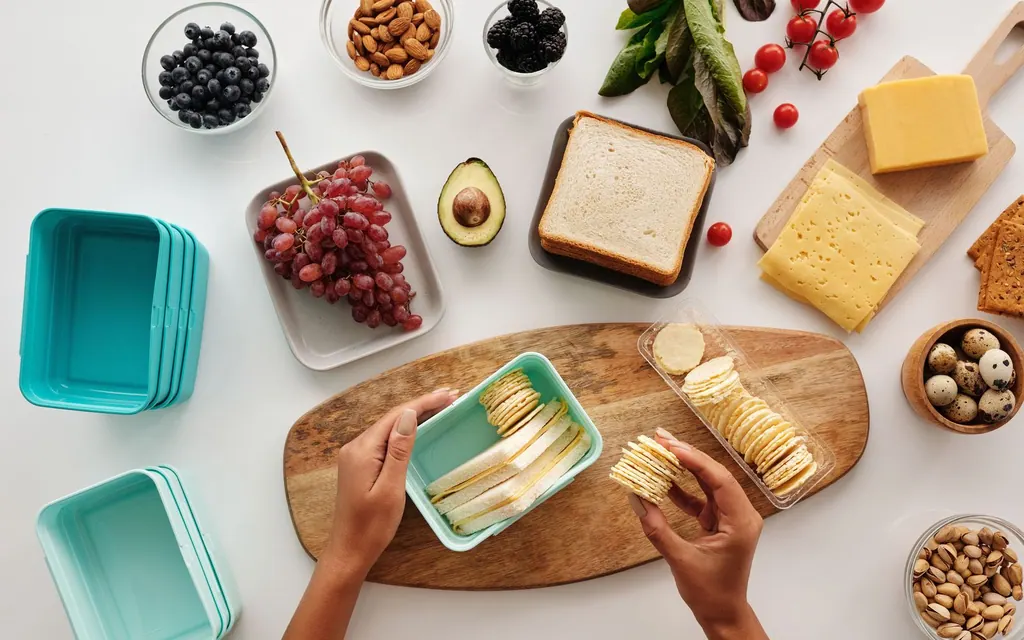
- Keep it simple. Batch-cook soups, chillies and stews; leftovers become lunch.
Low-appetite and nausea days
Most people have days when food is unappealing, usually around dose increases. The advisory notes that smoothies and protein drinks made with fruit, vegetables and unsweetened milk or yoghurt, cottage cheese and soups are often easier to manage than heavier foods such as red meat, cold cuts or hard cheese. Plain toast, crackers, cold foods with little smell, and sipping fluids between rather than with meals may also help. Ginger or peppermint tea features on the advisory's list of foods to encourage. Our Ozempic nausea and constipation diet goes into these symptoms in more depth.
Shakes and bars can help on difficult days, but treat them as a tool rather than the plan. Check the protein, sugar and fibre content, and ignore the "GLP-1" marketing on the label. For a side-by-side way to judge products, use our meal replacement shakes guide.
A simple shopping list
- Protein: eggs, Greek yoghurt, cottage cheese, milk or fortified soya drink, chicken, turkey mince, tinned tuna, salmon, cod, prawns, smoked mackerel, tofu, edamame
- Pulses: lentils, chickpeas, kidney beans, mixed beans
- Wholegrains and starchy foods: oats, wholegrain bread and crackers, brown rice, quinoa, wholewheat pasta, new potatoes, sweet potatoes
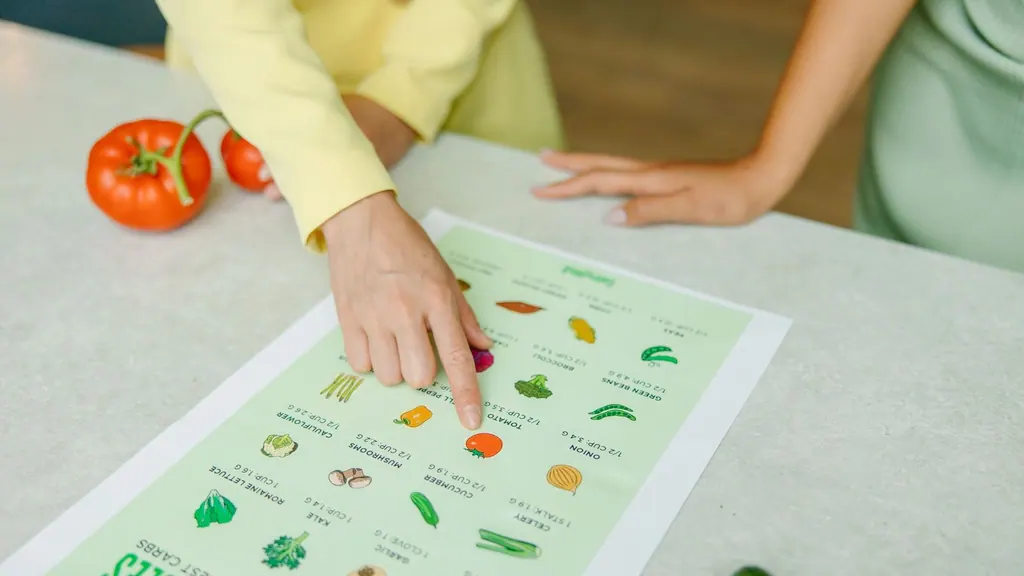
- Vegetables: spinach, salad leaves, tomatoes, peppers, courgettes, green beans, carrots, cucumber, mushrooms, frozen peas and mixed vegetables
- Fruit: berries (frozen are fine), bananas, apples, pears, lemons
- Fats and extras: olive or rapeseed oil, peanut butter, almonds, walnuts, chia seeds, hummus, herbs and spices, ginger and peppermint tea
What foods should you not eat on a GLP-1?
No food is strictly forbidden, but some make side effects or nutrient gaps more likely. Based on the advisory's table, these are best limited:
- Large, fatty or fried meals. The advisory notes that vomiting is more likely after large meals, and that avoiding large or high-fat meals can help with diarrhoea, which is more common with tirzepatide.
- Sugary drinks, sweets and refined snacks, which take up scarce appetite without providing much nutrition.
- Red and processed meat, which the advisory suggests eating in moderation or minimising.
- Alcohol, which the advisory says may worsen nausea and reflux and should be kept to a minimum.
- Very high-fibre meals in the first days of treatment or after a dose rise, if they make fullness or nausea worse.
Never change, skip or stop your GLP-1 medicine, insulin or other diabetes medicines because of a meal plan or a blood glucose reading. The US prescribing information for semaglutide 2.4 mg warns that low blood glucose, including severe episodes, becomes more likely when it is taken with insulin or tablets that boost insulin release (FDA label via DailyMed). Any dose change must come from your prescriber.
Safety: when to get help
- Severe or persistent abdominal pain. The semaglutide label lists persistent or severe abdominal pain, sometimes radiating to the back, as a possible sign of pancreatitis, and also warns about gallbladder disease, including gallstones. Seek urgent medical advice rather than adjusting your diet.
- Vomiting, diarrhoea or dizziness that stops you keeping fluids down needs prompt medical attention because of the risk of dehydration and kidney injury.
- Pregnancy. The same label advises stopping semaglutide at least 2 months before a planned pregnancy. If you become pregnant, contact your prescriber straight away.
- Eating disorders. Baseline screening for disordered eating is part of the assessment the advisory sets out before treatment. If reduced appetite is making it easier to restrict, or you feel out of control around food, tell your care team.
- Surgery or sedation. The labels warn of pulmonary aspiration during general anaesthesia or deep sedation, so tell any surgical or endoscopy team you are taking a GLP-1 medicine.
- Signs of poor nutrition. The advisory lists fatigue beyond what you would expect, excessive hair loss, flaky or itchy skin, muscle weakness, poor wound healing and unusual bruising as possible signs of deficiency.
The Medicare GLP-1 Bridge and the nutrition gap
In the United States, more older adults now have access to these medicines. From 1 July 2026 to 31 December 2027, the Medicare GLP-1 Bridge gives eligible Part D beneficiaries access to certain GLP-1 drugs with a $50 copay (CMS). The CMS information describes access to the drugs; it does not set out any nutrition or exercise support alongside them.
That matters because older adults are the group most at risk from losing muscle while losing weight, and appetite suppression can make it harder still to eat enough protein. If you or a family member start treatment through the Bridge, ask the prescriber how nutrition and strength will be monitored, and consider seeing a registered dietitian. Our United States country guide explains how to find a credentialed dietitian.
Book a session with a dietitian
"Natural GLP-1" supplements and foods
Supplements described as "natural GLP-1", "nature's Ozempic" or "GLP-1 boosters" are heavily promoted online. The advisory says that fibre, resistant starch and unsaturated fats are the most studied nutrients, in animal studies and small human trials, often showing increased circulating GLP-1 and some metabolic improvements, and that meals higher in protein or fibre may also increase GLP-1 release. That is early evidence about the body's own hormone, not evidence that a supplement can match a prescription medicine. The supplement most often sold this way is reviewed in our article on berberine, the so-called "nature's Ozempic". The foods in this plan, with their protein and fibre, are the best-supported way to use that biology.
Planning for the long term
GLP-1 medicines are often long-term treatments, and weight tends to return when they stop. Treat the plan above as practice for habits you can keep whether or not you stay on medication: protein at every meal, plenty of vegetables and pulses, regular strength training and steady fluids. Our guide to stopping GLP-1 medicines explains how to prepare if you and your prescriber decide to come off treatment. Our weight management guide puts medicines, diet and surgery in context.
Frequently asked questions
What foods should you not eat on GLP-1?
No foods are completely banned, but it helps to limit large, fatty or fried meals, sugary drinks, sweets and refined snacks, red and processed meat, and alcohol. These can worsen nausea, reflux or diarrhoea, or crowd out nutritious foods when appetite is low. In the first days of treatment or after a dose increase, very high-fibre meals may also need easing back temporarily.
Is there any free weight loss medication available?
Genuinely free prescription weight-loss medicine is rare. Coverage depends on your health system and insurance. In the US, the Medicare GLP-1 Bridge gives eligible Part D beneficiaries certain GLP-1 drugs for a $50 copay until 31 December 2027. Be wary of websites offering free trials or very cheap copies of these drugs, and check that any prescriber is licensed and assesses you properly.
What is the best diet plan for people with type 1 diabetes?
There is no single best plan. People with type 1 diabetes need meals that match their insulin, so changing how much they eat affects blood glucose directly. Eating much less than usual, for any reason, can cause low blood glucose unless insulin is adjusted. Any eating plan, including one built around a smaller appetite, should be agreed with the diabetes team, and insulin doses changed only by them.
How much protein do I need on a GLP-1?
Most people need more than the standard adult allowance while losing weight. The 2025 joint advisory cites proposals of 1.2 to 1.6 g per kilogram a day, or a simpler daily goal of 80 to 120 g. People with obesity may need calculations based on adjusted body weight, and people with kidney disease need individual advice. A dietitian can set your target.
Can I follow this 7-day plan if I am vegetarian?
Yes. Replace meat and fish with eggs, Greek yoghurt, cottage cheese, tofu, tempeh, edamame, lentils, chickpeas and beans. Vegans can use soya yoghurt, fortified soya drink, tofu and pulses. Protein needs more planning on a plant-based diet when appetite is small, so put the protein part of each meal first and ask a dietitian about vitamin B12 and iron.
Should I count calories on a GLP-1?
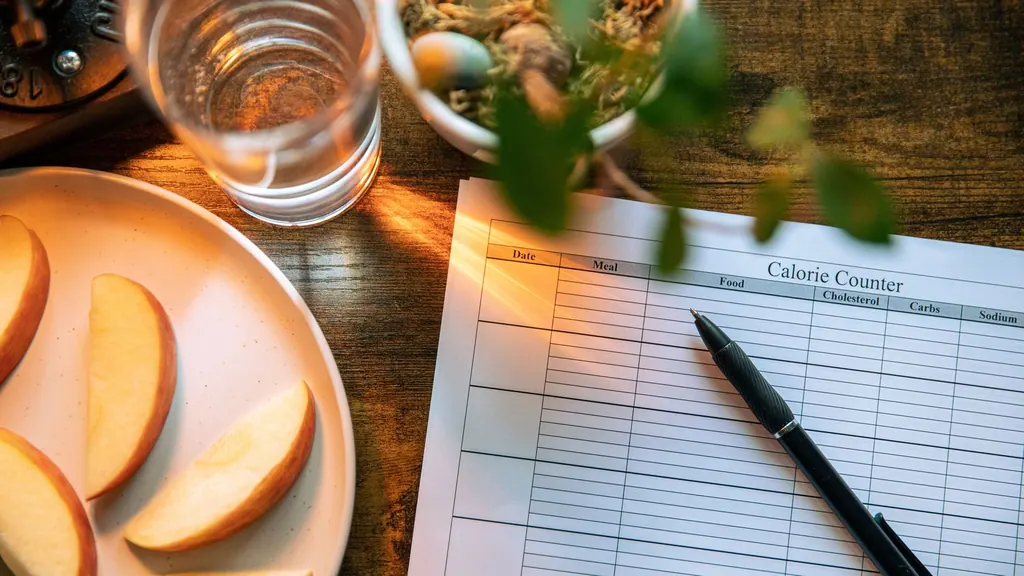
Not necessarily. Many people eat less automatically, and the bigger risk is eating too little protein and too few nutrients. Some dietitians use food logs or photos to check intake, as the advisory recommends for monitoring. If you want a rough idea of your energy needs, discuss it with your care team rather than setting a very low target yourself.